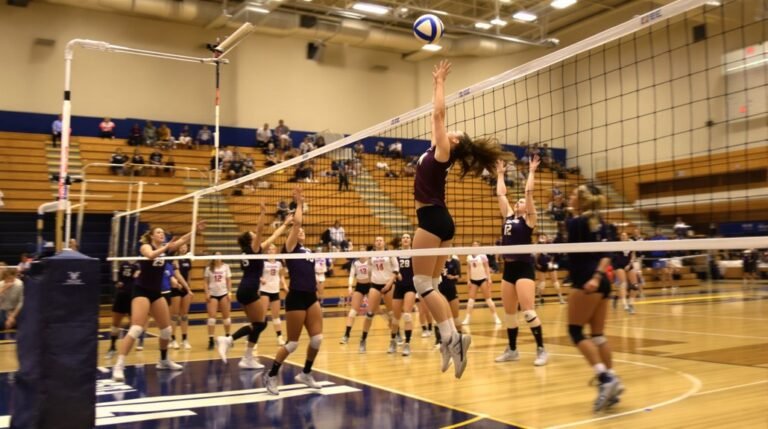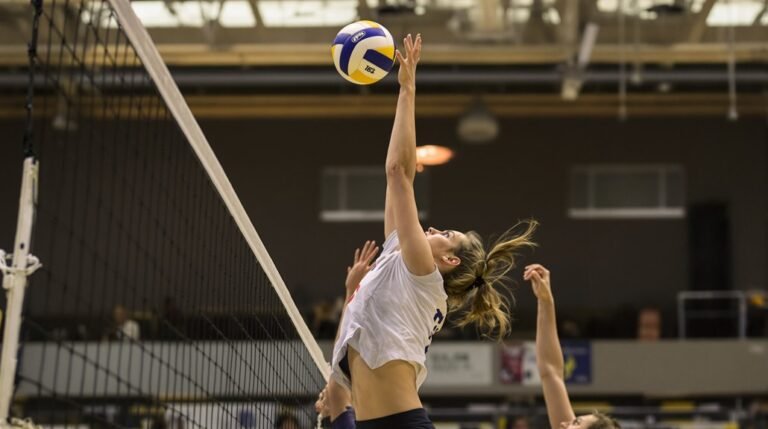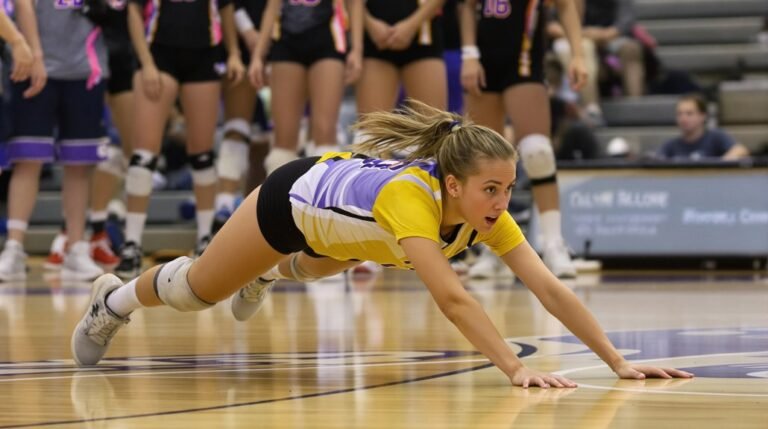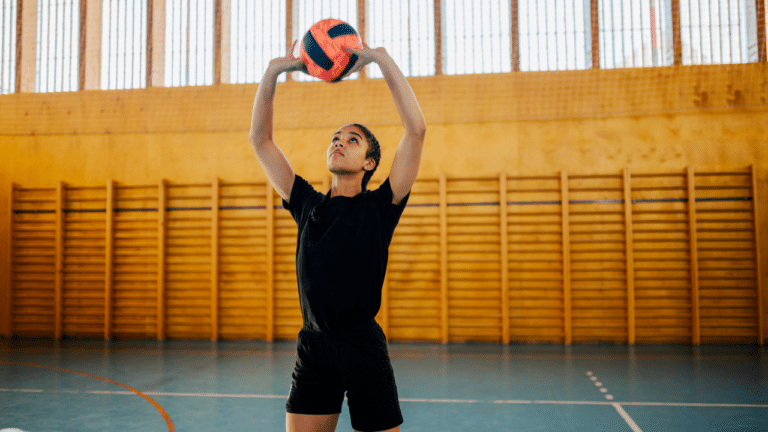


If you’ve watched volleyball closely, you’ve probably noticed a player sub in just to play defense and then leave the court a few rotations later. That’s the defensive specialist—a back-row expert who digs hard-driven attacks and passes serves with precision. They’re not the libero, though the two roles often get confused. Understanding what sets them apart, and why coaches rely on this position, can change how you see the game.
Key Takeaways
- A defensive specialist enters as a back-row substitute to strengthen serve receive and dig hard-driven attacks.
- They replace front-row hitters when those players rotate to the back row, using standard substitutions.
- Unlike liberos, defensive specialists wear regular team uniforms and count against the team’s substitution limit.
- They typically position at left back or middle back, coordinating with the libero for maximum court coverage.
- Their primary goal is delivering accurate passes to the setter, maintaining 65–75% passing accuracy to enable efficient offense.
What Is a Defensive Specialist in Volleyball?
A Defensive Specialist steps onto the court with one clear mission: keep the ball off the floor.
As a back-row player, you’re subbed in specifically to strengthen your team’s serve receive and digging when a front-row attacker rotates to the back.
You won’t find a DS wearing a different color jersey like the libero does. Instead, you’ll wear the same uniform as your teammates.
This matters because different substitution rules apply to your position. When you enter the game, it counts as a regular sub, meaning your coach must manage those exchanges carefully throughout the match.
Your primary job is simple but demanding: pass accurately on serve receive and dig hard-driven attacks.
You’re the defensive anchor who lets your hitters focus on scoring.

Key Responsibilities of a Defensive Specialist
Behind every successful attack, there’s a defensive specialist working to make sure the ball never hits the ground. Your primary job centers on serve-receive and digging, which means you’re the first line of defense when opponents serve or attack.
As a defensive specialist, you’ll typically enter as a substitution to replace a front-row hitter in the back-row. You’re responsible for ball control, directing passes to your setter so your team can run efficient offensive plays. You’ll cover left-back or middle-back positions depending on the rotation.
Communication matters just as much as physical skills. You’ll call out plays, coordinate with your libero, and alert teammates to tips and roll shots. When your team needs a steady, low-error serve, you might step behind the line to deliver consistent runs.
Where the Defensive Specialist Plays on the Court
Understanding your responsibilities is one thing, but knowing where to stand makes all the difference in executing them. As a Defensive Specialist, you’ll always play in the back row, but your exact position shifts based on what your team needs. Most commonly, you’ll find yourself at left back (position 5) or middle back (position 6). The deciding factor? Where your libero is playing.
Coaches typically place you wherever the libero isn’t to maximize court coverage for serve receive and digging. If your libero handles the primary passing zone at left back, you’ll fill in at middle back to cover cross-court hits and tips. At higher levels, you might even play right back when rotational matchups favor it. Youth teams generally stick with left or middle back positioning.

Defensive Specialist Vs Libero: Understanding the Differences
While both positions focus on defense, the Defensive Specialist and libero operate under completely different rules that affect how coaches use them.
The libero wears a contrasting jersey and enjoys unlimited substitutions without counting against your team’s sub limit. A Defensive Specialist counts against that limit and follows standard substitution rules. This distinction matters when you’re managing rotations throughout a match.
You’ll also notice the libero can’t block or attack balls above the net from the front zone. A Defensive Specialist doesn’t face these restrictions.
Coaches typically place their best passer at libero for primary serve reception and digging duties. The Defensive Specialist serves as a back-row substitute for specific situations, often covering rotations where the libero isn’t positioned.
Think of them as complementary pieces in your defensive system.

RAGLAN SLEEVE CONSTRUCTION: Supports full shoulder rotation for powerful spikes and blocks without restriction; eliminates binding during overhead movements so you can attack aggressively and defend confidently throughout rallies

RAGLAN SLEEVE CONSTRUCTION: Supports full shoulder rotation for powerful spikes and blocks without restriction; eliminates binding during overhead movements so you can attack aggressively and defend confidently throughout rallies

This Libero volleyball game design is perfect for the important role of this defensive specialist position. Nothing hits the floor but me is the common goal for the Libero, the final option for defense, and for saving the volleyball game, and match.
Essential Skills Every Defensive Specialist Needs
Mastering five core skills separates effective Defensive Specialists from players who simply fill a roster spot.
First, you need consistent serve-receive passing with solid platform control. Aim to deliver balls within a 1–2 foot radius of your setter’s target, maintaining 65–75% accuracy even under pressure.
Second, develop quick digging technique. Keep your knees bent and angle your platform to convert hard spikes into playable balls above waist height.
Third, build your agility. Work toward completing 10-yard shuffle drills in 5–6 seconds so you can cover large back-row zones efficiently.
Fourth, sharpen your court awareness. Call out seams, track hitter tendencies, and adjust positioning based on opponent patterns.
Finally, master reliable serving. Keep service errors under 10% while earning consistent service runs for your team.


【Partner-Free Solo Training Structure】This professional solo volleyball trainer features a built-in rebound structure for continuous volleyball practice. Equipped with a premium volleyball rebounder, the device delivers automatic ball return after each strike, enabling smooth volleyball equipment training without repeated ball pickup. This standard volleyball training aid supports stable rhythm for daily independent volleyball training.

Complete Volleyball Training Equipment: This all-in-one package includes a Pouch, perfected Waistband, improved Elastic Cord, upgraded Hand Straps, larger Drawstring Backpack and Gift Box, making it a great Volleyball gift.
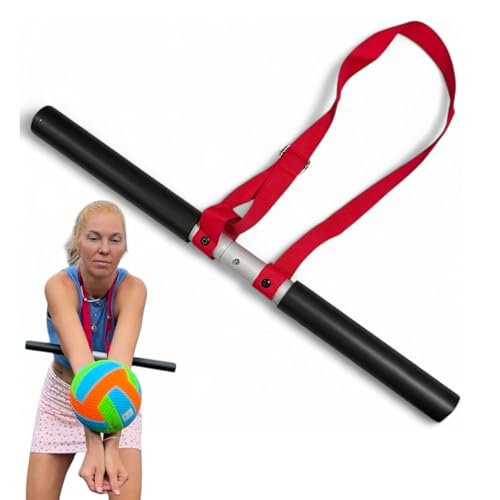
IMPROVE PASSING TECHNIQUE: The Boardee Bump-Pass volleyball gear helps you master proper arm positioning by keeping your arms straight and locked during bump-pass drills; build muscle memory for more consistent, accurate passing during solo or team practice
Common Traits of Elite Defensive Specialists
Elite defensive specialists stand out from the crowd because they’ve honed specific traits that make them indispensable to their teams.
You’ll notice elite players complete 70–90% of their serve-receive passes directly to the setter’s target. Their digging numbers are equally impressive—top performers average 3–6 digs per set. This consistency comes from exceptional footwork and quick reaction times.
What separates a good Defensive Specialist from a great one often comes down to court awareness and communication. Elite players cover 30–40% of the backcourt, filling gaps the libero can’t reach. They’re constantly calling out seams, directing teammates, and anticipating opponent tendencies based on film study.
Mental resilience matters too. You’ll see these players maintain focus across long rallies without crumbling under pressure.
When Coaches Substitute a Defensive Specialist Into the Game
Coaches frequently substitute a Defensive Specialist into the game at predictable moments—usually when a front-row attacker like an opposite or outside hitter rotates to the back row. This swap strengthens serve receive and digging by putting a skilled passer where you need one most.
You’ll notice coaches time these changes carefully. Since a Defensive Specialist uses regular substitution limits, they can’t swap players in and out freely like a libero. Most coaches bring the DS in at the start of a rotation to maximize their impact without burning extra substitutions.
Late in tight sets, you might see a DS enter to extend a serving run or replace a tired back row player. Their consistent passing helps stabilize your team when pressure mounts.
Why the Defensive Specialist Position Matters to Team Success
Beyond the timing of substitutions, the Defensive Specialist‘s real value shows up in how they shape a team’s overall performance. You’ll notice a DS often ranks as the best or second-best passer on the court, which directly boosts your side-out percentage through cleaner serve-receive.
When subbing for a front-row hitter rotating to the back-row, the DS covers roughly 40% of backcourt recovery runs. This frees your taller attackers to focus on offense. The DS also extends rallies through superior digs, tracking down tips and hard-driven spikes that would otherwise score for opponents.
Pairing a DS with a libero gives you deeper defensive coverage and tactical flexibility. Their passing and serving ability lets coaches change momentum without burning critical substitutions—a practical advantage in tight matches.
How to Develop Your Skills as a Defensive Specialist
While natural talent helps, becoming a reliable Defensive Specialist really comes down to deliberate, consistent practice. You’ll want to train platform and footwork drills four to five times weekly, spending 10–20 minutes on low, wide angles and shuffle-to-dive shifts. This builds the muscle memory you need for consistent passes under pressure.
For reactive digging, work with a partner or machine at 60–70% of game spike speed. Focus on reading hitters and keeping your shoulders low to the ground. Like a libero, you should log 200–300 serve-receive reps weekly from float, topspin, and jump serves.
Don’t skip change-of-direction training. Three weekly sessions of plyometrics and agility ladder work can shave 0.1–0.2 seconds off your reaction time on low balls.

GREAT FOR SOLO TRAINING: 54 cards contain several volleyball drills. These include warmup, offense, defense, and game insight exercises. Improve your technique, agility, and coordination to train all the volleyball skills. This keeps vball player busy and engaged.
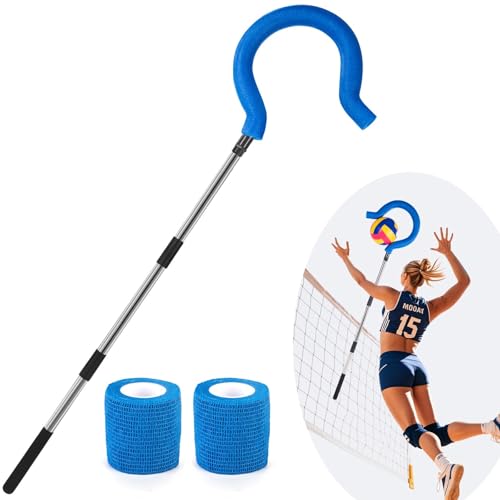
Professional Design for All Levels: This volleyball spike trainer (Patent pending) helps beginners and experienced players practice spiking, approach timing, arm swing and jump training; the question mark hook holds a real ball at a consistent contact point for focused hitting drills

Recent Posts
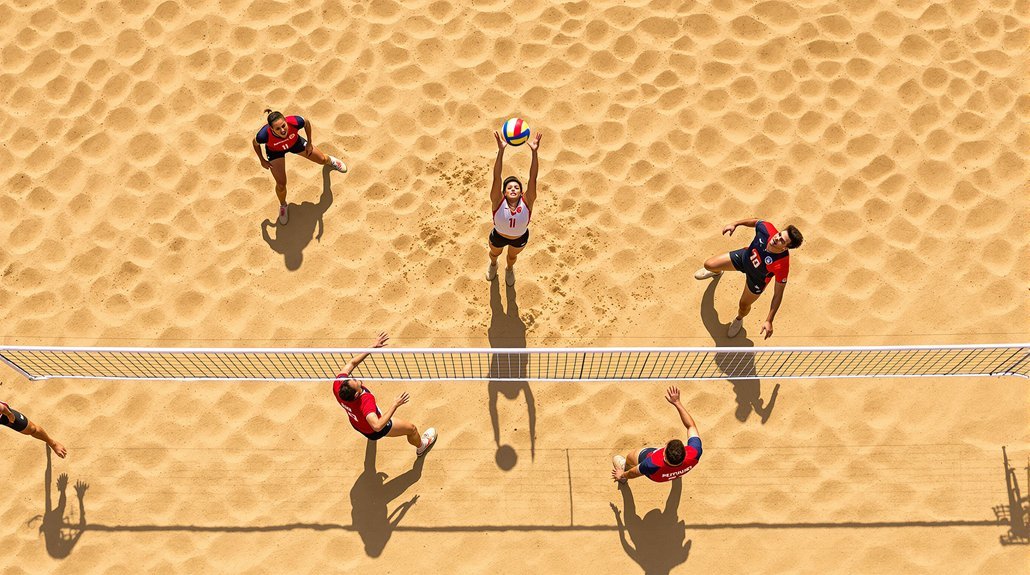
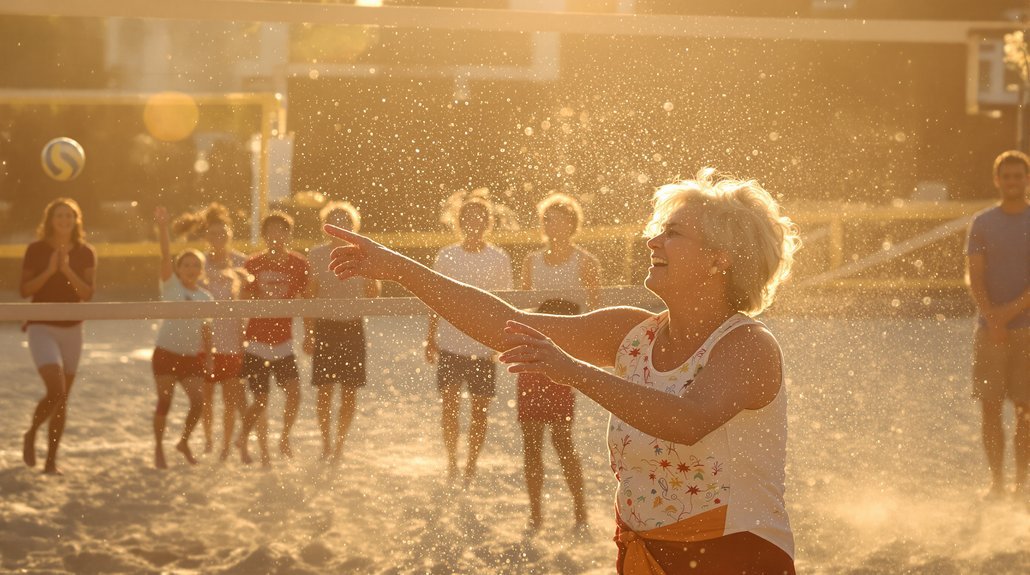
How to Keep Volleyball Fun for the Whole Family
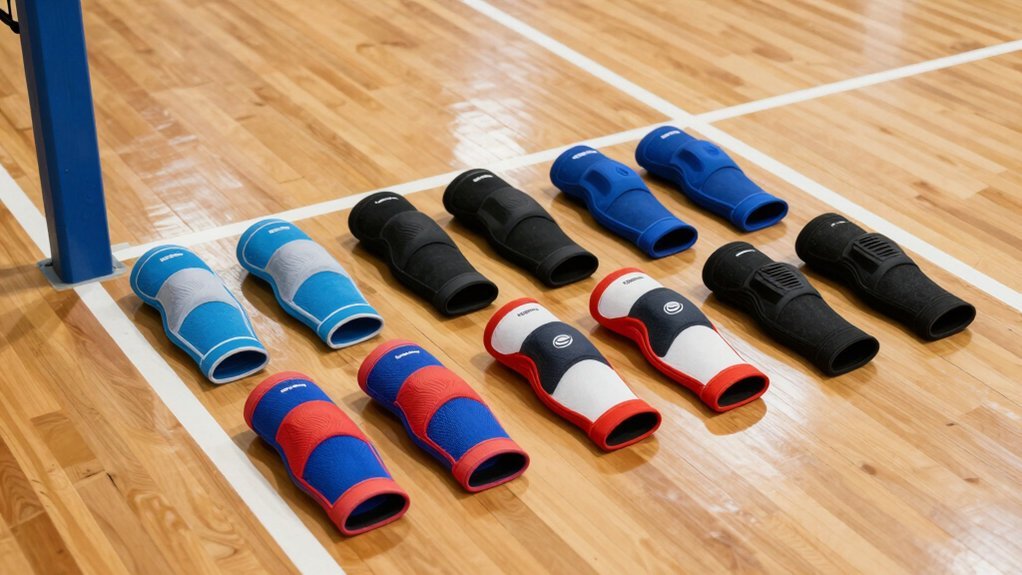
How to Choose the Right Knee Pads for Volleyball
Frequently Asked Questions
What Does a Defensive Specialist in Volleyball Do?
You’re a back-row defender who subs in to strengthen your team’s serve receive techniques and digging mechanics. Your job centers on back row positioning, reading hitters to anticipate attacks, and making quick reaction plays on hard-driven balls.
You’ll handle defensive communication by calling shots and coordinating with teammates. During phase-change defense, you recover quickly after each rally. Strong defensive specialists often boost their team’s passing accuracy by 10-15%.
What Is the Toughest Position in Volleyball?
The toughest position depends on your strengths. Setters need elite decision-making and handle serve receive pressure situations every rally.
Middle blockers must master defensive rotations and momentum defense while closing blocks on both sides.
Outside hitters combine heavy attacking loads with back row leadership.
Liberos rely on communication skills and anticipation drills to dig 5–8 balls per set.
Each role demands different skills, so “toughest” varies by player.
What Is the Main Responsibility of the Defensive Specialist?
Your main responsibility as a defensive specialist is serve reception and floor defense. You’ll replace a front-row hitter—similar to a libero replacement—and focus on reading setters to anticipate attacks. You’re also responsible for shift positioning after your team attacks, defensive signaling to teammates, and executing serve strategy when you rotate to the service line.
Every pass and dig you make keeps rallies alive.
What Is a Specialized Defensive Player in Volleyball?
A specialized defensive player enters as a rotation substitution to strengthen your back row.
Unlike the libero comparison you might expect, this player wears a regular jersey and counts toward substitution limits.
Your court positioning focuses on serve receive and digging drills to sharpen reactions.
Defensive strategy places you in zones the libero doesn’t cover, so you’ll handle tough angles and keep rallies alive consistently.
Bottom Line
You’ve now got a solid understanding of what makes defensive specialists essential to any volleyball team. They’re the players who turn impossible digs into scoring opportunities and keep rallies alive when it matters most. If you’re drawn to this position, start practicing your platform technique and footwork today. Focus on reading hitters, communicating loudly, and perfecting your passing accuracy. Your team’s success depends on players like you.