

Choosing the right resistance bands can boost your volleyball prep. You might start with a light loop set for warmups, then add a five‑level silicone or TPE set for rehab and overload, and pair mid‑range rubber loops for squats and hip drive, plus heavy power bands for jumps. A door‑anchor kit and a spike trainer round things out, while a waist‑and‑ankle trainer speeds sport‑specific work—but which combo fits your season goals best? Let’s explore.
| Fit Simplify Resistance Loop Bands Set of 5 | 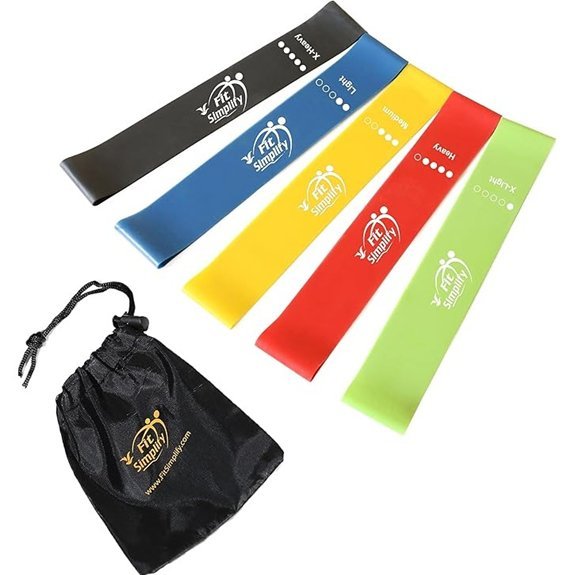 | Best Overall | Type: Resistance loop bands (set of 5) | Portability: Carry bag included | Material: Latex | VIEW LATEST PRICE | Read Our Analysis |
| Volleyball Training Pass Aid Resistance Band Set | 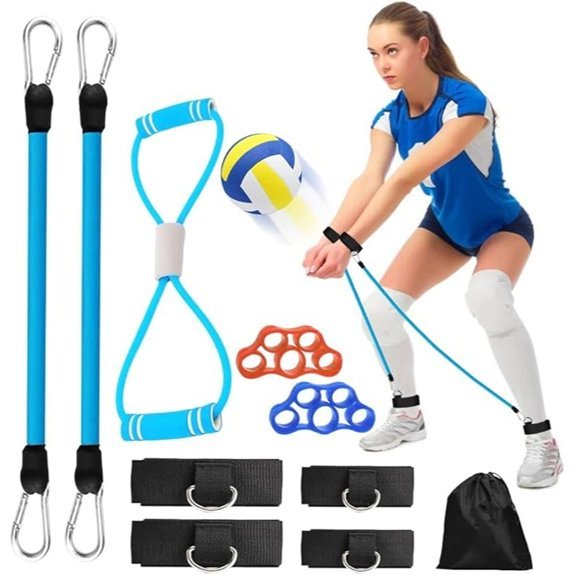 | Volleyball Training Essential | Type: Volleyball training elastic band set | Portability: Storage bag included | Material: Thermoplastic Elastomer (TPE) | VIEW LATEST PRICE | Read Our Analysis |
| LEEKEY Resistance Bands with Handles – Door Anchor Set | 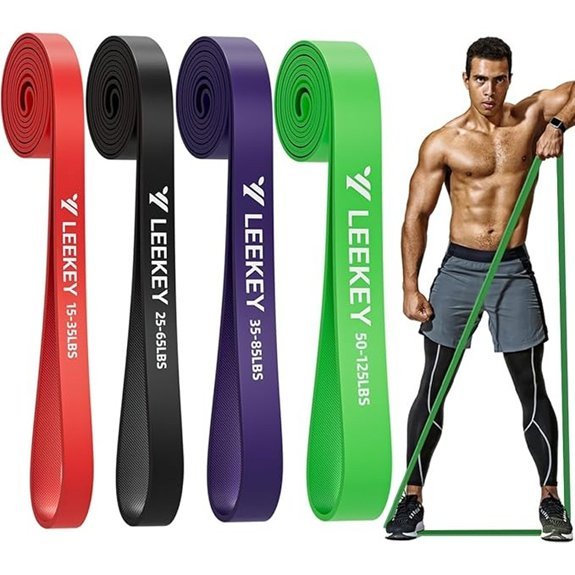 | All-in-One Set | Type: Resistance bands with handles (set of 4) | Portability: Door anchor included; compact set | Material: Natural rubber | VIEW LATEST PRICE | Read Our Analysis |
| 5-Level Resistance Bands Set for Workout and Rehab | 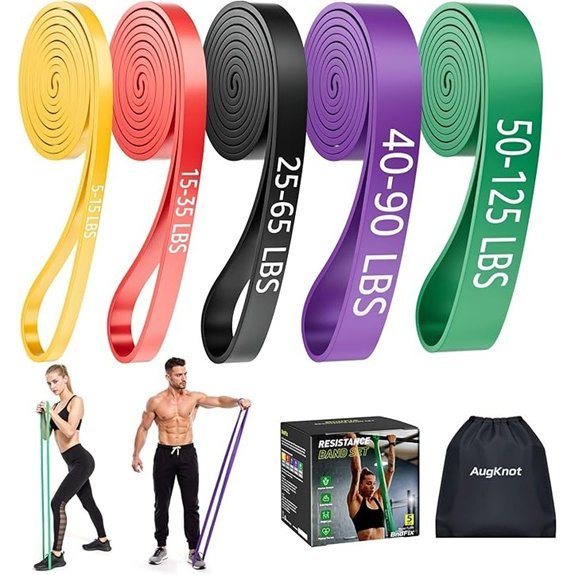 | Versatile 5-Level | Type: Resistance bands set (silicone) | Portability: Carry bag included | Material: Silicone | VIEW LATEST PRICE | Read Our Analysis |
| Vertical Jump Trainer Leg Bands with Ankle Cuffs | 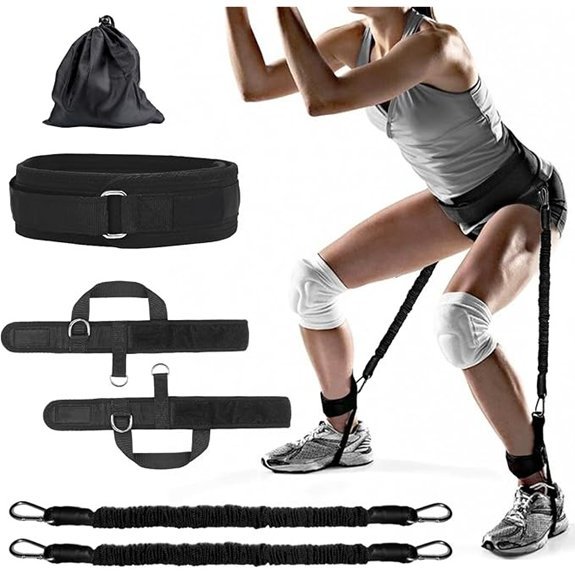 | Jump Power Kit | Type: Leg resistance bands with cuffs | Portability: Carry bag included | Material: Natural rubber (latex) + polyester | VIEW LATEST PRICE | Read Our Analysis |
| TOBWOLF Volleyball Spike Trainer Elastic Resistance Band | 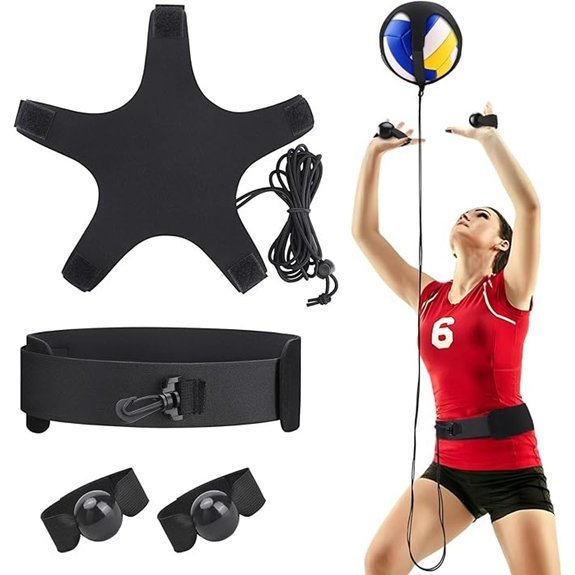 | Spike Training Essential | Type: Volleyball spike trainer band with waist belt | Portability: Waist belt and compact band | Material: Plastic, rubber | VIEW LATEST PRICE | Read Our Analysis |
| Non-Latex Resistance Bands for Exercise and Rehab | 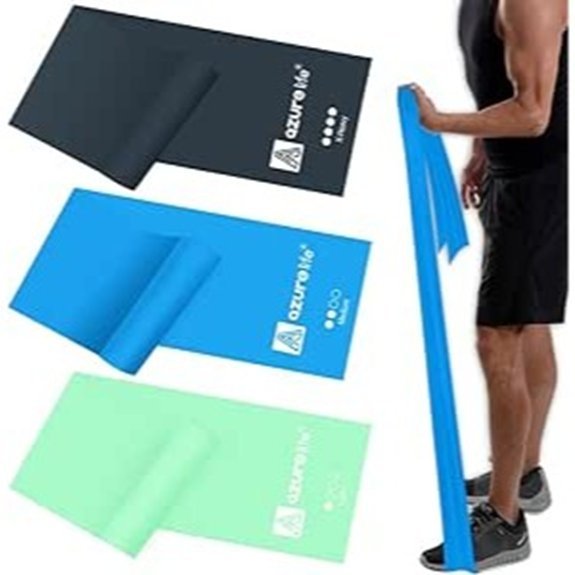 | Latex-Free Choice | Type: Non-latex resistance bands (set of 3) | Portability: Portable set; travel-friendly | Material: Non-latex synthetic rubber | VIEW LATEST PRICE | Read Our Analysis |
More Details on Our Top Picks
Fit Simplify Resistance Loop Bands Set of 5
Volleyball players benefit from the Fit Simplify Set of 5 loop bands, offering resistances from Extra Light to Extra Heavy. You get five color‑coded bands, a guide, and a portable bag, making in‑home or on‑court training convenient. Use Extra Light for warmups, then add Medium or Heavy as you improve, or combine bands to fine‑tune resistance. The latex bands are designed for durability and consistent tension, with a snug grip and skin‑friendly feel. They support legs, arms, back, and hips in movements like squats, rows, and leg circles, plus rehab work. Compact, affordable training that travels with you anywhere.
- Type:Resistance loop bands (set of 5)
- Portability:Carry bag included
- Material:Latex
- Resistance Levels:Five levels (Extra Light to Extra Heavy)
- Primary Use:General fitness, rehab, weight loss
- Included Accessories:Instruction guide + carry bag
- Additional Feature:Humidity-controlled latex processing
- Additional Feature:Skin-friendly softness
- Additional Feature:Sweat-resistance testing
Volleyball Training Pass Aid Resistance Band Set
If you need a versatile training aid that fits players of every height, the Pro01 60lbs 10-in-1 set is the best choice. This Davllin system hones timing, speed, and power in your hitting approach while boosting passing, serving, and arm-swing mechanics. It targets arms, shoulders, chest, back, and legs, supporting agility training and pass reliability. You get 2 wrist belts, 2 ankle belts, 2 elastic ropes, 1 Figure-8 band, and a storage bag. With 60-pound tension and a durable TPE build, it promotes proper technique and is backed by a 2-year warranty. It’s a practical, clear choice for teams.
- Type:Volleyball training elastic band set
- Portability:Storage bag included
- Material:Thermoplastic Elastomer (TPE)
- Resistance Levels:60 lbs (single-level)
- Primary Use:Volleyball timing, hitting/serving training
- Included Accessories:2 wrist belts, 2 ankle belts, 2 ropes, 1 band, 1 bag
- Additional Feature:Figure-8 resistance rope
- Additional Feature:Two-year manufacturer warranty
- Additional Feature:All-in-one training bundle
LEEKEY Resistance Bands with Handles – Door Anchor Set
The LEEKEY Door Anchor Set is ideal for volleyball players who want a compact, versatile way to build upper-body strength and mobility at home.
With a set of four resistance bands and a door anchor, you get a versatile home gym in a package. The colors map to tensions: Red 15–35, Black 25–65, Purple 35–85, Green 50–125 pounds, and the unit claims a 65-pound maximum tension. You’ll pull, press, and squat with tempo thanks to natural-rubber, non-slip bands that resist tearing. Use them for warmups, pull-up assistance, or mobility drills before practice, then fold away when your session ends.
- Type:Resistance bands with handles (set of 4)
- Portability:Door anchor included; compact set
- Material:Natural rubber
- Resistance Levels:Four levels (Light to X-Heavy)
- Primary Use:Strength training, pull-up assistance
- Included Accessories:Handles, door anchor
- Additional Feature:Door anchor included
- Additional Feature:Non-slip band grip
- Additional Feature:Pull-up assist capability
5-Level Resistance Bands Set for Workout and Rehab
Designed for volleyball players who want progressive strength and rehab, this 5-level silicone set Lets you start light and build up safely. Its five resistance levels, Yellow 5–15 lbs, Red 15–35, Black 25–65, Purple 40–90, and Green 50–125, let you progress as you recover. Made of silicone, it’s softer and safer than latex, with anti-slip texture and high elasticity that lasts through years of training. Use door anchors with the kit, carry the lightweight set in the included bag, and train at home, gym, or travel. Note the package weighs about 1.13 kg and ships with a one-year warranty.
- Type:Resistance bands set (silicone)
- Portability:Carry bag included
- Material:Silicone
- Resistance Levels:Five levels (color-coded)
- Primary Use:Fitness, rehab, variety of workouts
- Included Accessories:Carry bag
- Additional Feature:Silicone material
- Additional Feature:Anti-slip design
- Additional Feature:Stackable bands
Vertical Jump Trainer Leg Bands with Ankle Cuffs
Vertical Jump Trainer Leg Bands with Ankle Cuffs stand out for volleyball players who want scalable resistance in a package. These VOPOCO bands come as resistance bands with ankle cuffs and an adjustable waist belt, letting you tailor from 40 lb to 100 lb. Choose colors: blue 40 lb, purple 50 lb, black 60 lb, yellow 70 lb, red 80 lb, orange 100 lb. They’re made of natural rubber and polyester, with stainless steel hardware. Use them at home, gym, or outdoors to improve hip drive, jump height, and balance. Always buckle securely and start lighter than you expect.
- Type:Leg resistance bands with cuffs
- Portability:Carry bag included
- Material:Natural rubber (latex) + polyester
- Resistance Levels:Multiple belts/colors (up to 100 lb total range)
- Primary Use:Jump training and leg/hip strength
- Included Accessories:Waist belt, ankle cuffs, carrying bag
- Additional Feature:Adjustable waist belt
- Additional Feature:Ankle cuffs included
- Additional Feature:40–100 lb resistance range
TOBWOLF Volleyball Spike Trainer Elastic Resistance Band
If you need solo practice that keeps you in rhythm, the TOBWOLF Volleyball Spike Trainer is your best pick. This elastic resistance band with a waist belt trains serving, jumping, arm-swing mechanics, and spiking power. It returns the ball after every swing, so you practice for hours without chasing, and it helps touch, setting, and different serves. The adjustable straps reinforce proper palm position, reducing setting fouls, and the one-size ball pouch fits volleyballs or other balls. Comfort comes from a cushioned waist strap, while the elastic cord handles overhand serves without the ball hitting your face during drills.
- Type:Volleyball spike trainer band with waist belt
- Portability:Waist belt and compact band
- Material:Plastic, rubber
- Resistance Levels:Adjustable/varied resistance with belt
- Primary Use:Volleyball spike training and ball control
- Included Accessories:Waist belt (training aid)
- Additional Feature:Ball-return training design
- Additional Feature:Adjustable waist strap
- Additional Feature:One-size-fits-most
Non-Latex Resistance Bands for Exercise and Rehab
When you’re managing rehab or latex allergies, these non-latex resistance bands are a solid fit for volleyball players. Made of upgraded synthetic rubber, they’re non-latex, eco-friendly, and non-toxic, safe for latex-sensitive athletes. The set includes three color-coded bands—Light, Medium, Heavy—each about 60 inches long, 6 inches wide, and 0.04 inches thick, weighing roughly 10 ounces. You can loop, wrap, or double up for more tension, ideal for clinics, gyms, or home work. They support cardio, strength, rehab, yoga, Pilates, and offer a reliable alternative to free weights. Includes a 12-exercise guide and a 12-month warranty. Train confidently anywhere daily.
- Type:Non-latex resistance bands (set of 3)
- Portability:Portable set; travel-friendly
- Material:Non-latex synthetic rubber
- Resistance Levels:Three levels (Light, Medium, Heavy)
- Primary Use:Therapy, yoga, Pilates, rehab
- Included Accessories:Workout guide
- Additional Feature:Non-latex material
- Additional Feature:60 ft total length
- Additional Feature:12-month guarantee
Factors to Consider When Choosing Resistance Bands for Volleyball
When you pick bands for volleyball, check material quality—reinforced latex or tough non-latex blends rated for 200–500 hours and good tear resistance.
Choose a clear resistance range, such as light 10–15 lb, medium 20–30 lb, and heavy 40–50 lb, to match your skill level and progression.
Also verify durability, safety features, attachment compatibility, and portability—look for handles, door anchors, and a folded size around 12–14 inches so you can train anywhere.
Band Material Quality
Because band material sets your resistance and comfort, choose carefully for volleyball needs. Natural latex and rubber offer high elasticity and strength for explosive moves, but some players may be allergic. If allergies are a concern, consider thermoplastic elastomers (TPE) or silicone, which are durable and often hypoallergenic; silicone can be more tear-resistant. Thickness and density determine how much you can stretch before snapping, with thicker, high-density bands handling heavier loads. Surface finish matters for grip and skin comfort during rapid arm or leg work; smoother, softer bands reduce chafing. Environmental resistance matters too: latex degrades with sun and sweat, while synthetic rubbers, TPE, and silicone keep up longer outdoors. Choose a band with a balanced mix: good grip, comfortable feel, and lasting durability.
Resistance Range Options
With a wide tension spectrum, you can progress from mobility work to power and plyometrics without changing bands. Choose bands that cover a wide tension spectrum (for example ~5–15 lb up to 50–125 lb) so you can move from technique work to overload training. Look for multiple discrete resistance levels (at least 3–5) so you can incrementally increase load for strength gains and tailor resistance to specific drills like passing, spiking, or jump training. Make certain the lightest band provides low enough tension for high-repetition skill work and rehab (~5–15 lb) while the heaviest band supplies enough force for maximal power and assisted plyometrics (50–100+ lb). Prefer sets that allow combining bands in parallel to create intermediate resistances, and consider consistent stretch across 100–200% elongation.
Durability and Safety
Durability starts with material and build, so choose natural rubber, TPE, or silicone bands with high tear resistance. Look for examples tested for repeated stretching to reduce snap risk during explosive volleyball drills. Verify rated tensile strength or resistance ranges, such as 40–125 lb, and pick bands whose maximum stretch exceeds the loads from plyometric jumps and spikes. Inspect attachment hardware—buckles, D-rings, and metal hooks—and seams for stainless or reinforced construction and secure stitching to prevent detachment under load. Prefer non-latex or synthetic options if anyone on your team has allergies, and avoid sticky or brittle materials that degrade with sweat, sun, or prolonged use. Regularly check bands for nicks, thinning, or discoloration and replace at first sign of wear. Maintain regular inspection routines.
Attachments Compatibility
When selecting bands, also check how the ends attach to your gear, ensuring a secure connection to belts, ankle cuffs, or handles. Make sure the band ends fit your chosen method—carabiner, hook, loop, or sewn loop—so connections stay solid during quick, explosive movements. Inspect attachment hardware like carabiners, clips, and D-rings; they should be rated for tensile loads at or above your band’s maximum resistance to prevent failures. Prefer bands with adjustable or quick-release features if you need to change length or switch from waist to ankle use during drills. Check wear‑points on belts, cuffs, and wrist straps—reinforced stitching or metal hardware with padded backing helps distribute force. Finally, confirm the design matches the band material so you can stack safely without stress concentrations.
Portability and Size
If you’re traveling or training in small spaces, prioritize portability first. Choose bands and accessories that are lightweight and come with a small carry bag or compact storage so the whole set fits easily in a gym bag. Consider physical dimensions and pack thickness—thinner, flat loop bands or coiled cords take far less space than bulky anchored systems. Look for adjustable or modular systems with separable cords and detachable straps, so you carry only what you need. Prioritize bands with short cords or compact waist and ankle straps for on-court or outdoor training with limited setup room. If you travel by air or bus, check unit weight (a few ounces to under a pound per set) and carry-on size limits for smoother, hassle-free trips.
Latex Allergy Check
Because many resistance bands use natural latex, always check packaging or product labels for terms like latex or natural rubber to spot potential allergens. If you have a known latex sensitivity, choose non-latex options such as synthetic rubber, TPE, or silicone to reduce reaction risk. Even molded or coated bands can transfer latex proteins through sweat or skin contact, so look for explicit “latex-free” labeling if you have sensitivity. When training in a group or sharing gear, clean and sanitize bands between users and consider designating non-latex bands to prevent cross-contact. If you’re unsure about allergy severity, test by briefly touching a small skin area with the band and monitor for redness or itching, then consult an allergist before regular use for your safety.
Exercise Versatility
Building on your latex-sensitivity checks, choose resistance bands that offer multiple levels so you can progress without swapping gear. Look for sets that include light, medium, and heavy options (and even extra-heavy) so you can move from mobility and technique drills to power work without changing bands. Prefer looped bands for lateral work, sprint resistance, and ankle-hip exercises, plus long flat bands for partner drills, arm-swing assists, and dynamic stretches. Make sure the bands let you reach full sport-specific ranges of motion—overhead swings, approach jumps, deep hip extension—without restricting movement. You can combine bands or double them up to fine-tune load for passing, serving, spike approach, and jump training. Choose pieces that handle both concentric and eccentric loading for explosive power and controlled deceleration too.
Price and Warranty
Value matters as much as price when choosing volleyball resistance bands. Look for options across a range of prices so you balance upfront cost with durability and variety. Check warranty length and terms, since 30 days often means limited support while 1–2 year warranties show confidence. Consider total value: higher upfront cost can be justified if bands include multiple resistance levels, accessories, or longer warranty. Verify what the warranty covers—breakage, defects, replacement shipping—and what proof you need, such as receipts or photos. If you train often, prioritize bands with a solid warranty and documented durability claims to reduce future costs. For example, a mid-range set priced around $30–$60 with a 1-year warranty and included handles can outperform cheaper options, especially with ongoing training. Trust.
Bottom Line
Choosing the right resistance bands helps your volleyball game without overdoing it. Start with a light loop set for warmups, then add a five‑level rehab set as you progress. Use door‑anchor kits for upper‑body moves and ankle cuffs for controlled leg work, eyeing progress in your jump and drive. Pick latex power bands if you need more explosive speed, and non‑latex options if you have sensitivities. Track reps, sets, and shifts between drills weekly, consistently.