
If you’re chasing better recovery and steadier takeoffs, these four options fit different needs. Physix Gear 20–30 mmHg gives reinforced arch and heel support; BLUEENJOY Copper offers moisture-wicking and antimicrobial tech for tournaments; Easy On/Off Energy socks add cushioned footbeds and arch tech for moves; NEENCA Medical 20–30 mmHg provides graduated compression to curb swelling after matches. Consider fit, size, and whether you value durability or breathability as you decide what to try next.
Key Takeaways
- Physix Gear 20–30 mmHg offers targeted arch/heel support, durable fabric, multiple sizes.
- BLUEENJOY Copper Compression Socks six-pair value pack, copper-infused fibers, moisture-wicking nylon/polyester blend.
- Easy On/Off Energy Compression Socks: Easy On, Easy Off construction, Arch Support Technology, cushioned foot-bed.
- NEENCA Medical Compression Socks 20–30 mmHg: Class 1 medical device, Ankle Tuck Compression Technique, six-ring ankle pressure.
- For volleyball, choose 15–20 mmHg for practice and 20–30 mmHg for travel/competition; ensure sizing and moisture management.
| Physix Gear 20-30 mmHg Compression Socks | 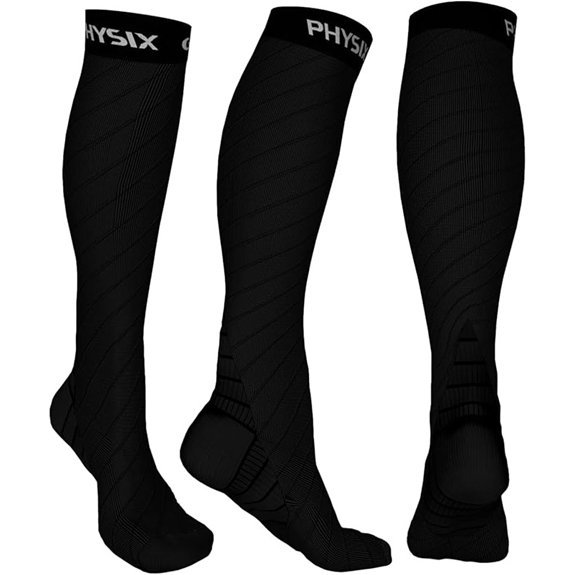 | Best Overall | Type: Compression socks | Material: Nylon blend | Arch/Ankle Support: Targeted arch & heel support | VIEW LATEST PRICE | Read Our Analysis |
| BLUEENJOY Copper Compression Socks for Women and Men | 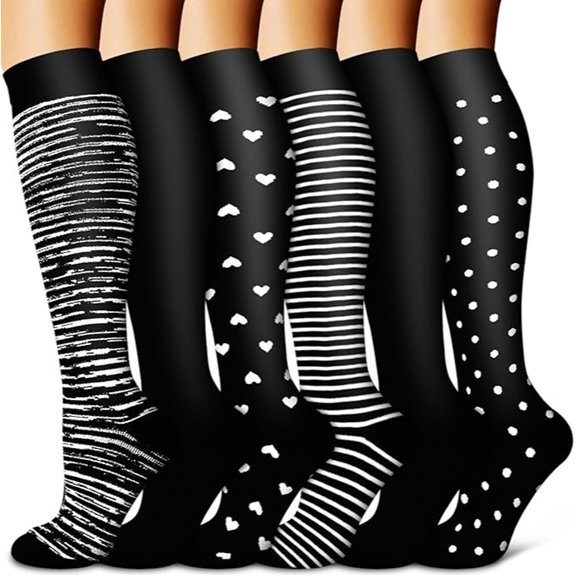 | Best Value | Type: Copper compression socks | Material: Nylon/Polyester with copper | Arch/Ankle Support: Ankle support via reinforced rings; 360° stretch | VIEW LATEST PRICE | Read Our Analysis |
| Easy On/Off Energy Compression Socks | 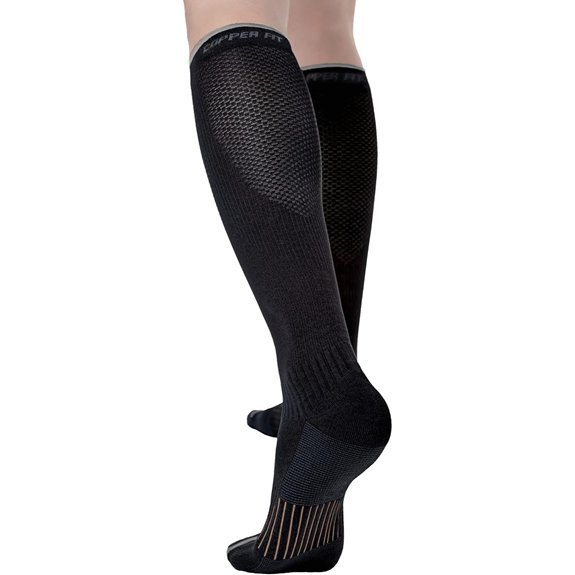 | Performance Pick | Type: Energy compression socks | Material: Nylon/Spandex/ Polyester blend | Arch/Ankle Support: Arch support technology and improved arch/ankle comfort | VIEW LATEST PRICE | Read Our Analysis |
| NEENCA Medical Compression Socks 20-30 mmHg Unisex | 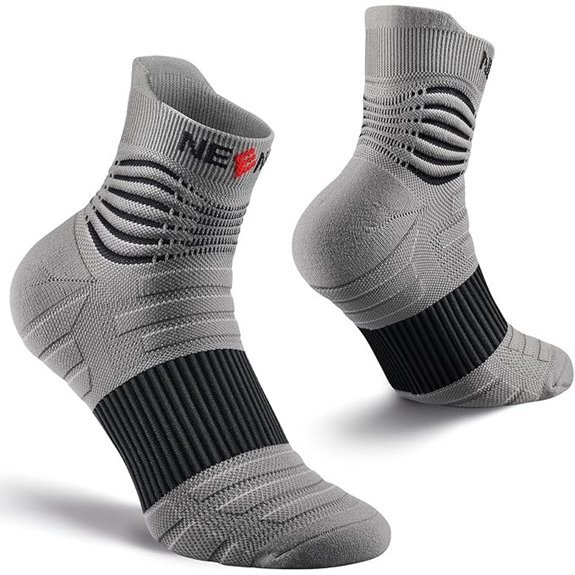 | Pro-Grade Comfort | Type: Medical compression socks | Material: Nylon/Spandex/Polyester/Cotton blend | Arch/Ankle Support: Reinforced arch; non-slip fit | VIEW LATEST PRICE | Read Our Analysis |
More Details on Our Top Picks
Physix Gear 20-30 mmHg Compression Socks
Physix Gear Compression Socks 20–30 mmHg are a strong fit for volleyball players who need steady leg support during long practices and matches. You get a snug fit with targeted arch and heel support, durable fabric, and multiple sizes to match your shoes. The 20–30 mmHg compression enhances circulation, reduces swelling, and helps fight fatigue so you can stay sharp through full sets. They’re suitable for runners, gym workouts, nurses on long shifts, or travelers facing flights. Copper-infused variants add extra comfort, while ongoing use can lessen shin splints and improve daily leg comfort. During practice, you’ll notice support.
- Type:Compression socks
- Material:Nylon blend
- Arch/Ankle Support:Targeted arch & heel support
- Size Range:Multiple sizes
- Performance Benefit:Improves circulation; reduces swelling; relieves fatigue
- Target User / Use Case:Athletes, travelers, healthcare workers, long-standing
- Additional Feature:Copper-infused variants
- Additional Feature:Best-rated compression socks
- Additional Feature:Daily wear ready
BLUEENJOY Copper Compression Socks for Women and Men
These BLUEENJOY Copper Compression Socks stand out for their copper-infused fibers that help keep feet fresh during long volleyball matches. You get a value pack of six pairs in size Small-Medium, color black stripe, with 85% nylon and 15% polyester for durability. The fabric is moisture-wicking and temperature-controlling, and the 360-degree stretch plus a comfortable wide band prevent rolling. Targeted zones offer moderate to extra-firm support to boost circulation and reduce soreness. They suit long sits, travel, and practice, and look like ordinary work socks—affordable, discreet, and ready for daily play. These are ideal for athletes, nurses, and travelers.
- Type:Copper compression socks
- Material:Nylon/Polyester with copper
- Arch/Ankle Support:Ankle support via reinforced rings; 360° stretch
- Size Range:Small–Medium
- Performance Benefit:Increases circulation; reduces soreness/swelling; energizes
- Target User / Use Case:Women & men; everyday use
- Additional Feature:Six-pair value pack
- Additional Feature:Copper-infused fibers
- Additional Feature:360-degree stretch
Easy On/Off Energy Compression Socks
Designed for fast-paced games, Easy On/Off Energy Compression Socks are ideal for volleyball players who need quick, reliable donning and targeted arch support. You’ll notice energizing graduated compression to increase circulation and reduce swelling, helping cut leg fatigue after long rallies. The Easy On, Easy Off construction makes changing in the bench area smooth, while the new Arch Support Technology hugs your arch and lifts your ankle to lessen foot fatigue. Copper-infused fibers help odor control, and the 85% Nylon, 8% Spandex, 7% Polyester blend stays breathable with a cushioned foot-bed for impact absorption. All-day comfort, fast recovery, consistently.
- Type:Energy compression socks
- Material:Nylon/Spandex/ Polyester blend
- Arch/Ankle Support:Arch support technology and improved arch/ankle comfort
- Size Range:Size guide included
- Performance Benefit:Energizing compression; reduces swelling; improves recovery
- Target User / Use Case:Runners, travelers, athletes; recovery and performance
- Additional Feature:Easy On/Off design
- Additional Feature:Arch Support Technology
- Additional Feature:Copper-infused fibers
NEENCA Medical Compression Socks 20-30 mmHg Unisex
For volleyball players needing ankle-focused support and faster recovery, NEENCA’s 20–30 mmHg socks stand out. You’ll get a Class 1 medical device made in the USA, with 65% nylon, 20% spandex, 8% polyester, and 7% cotton. The exclusive Ankle Tuck Compression Technique, 3D knitting, and a 360° fit combine to center pressure at the ankle via six rings and a reinforced arch. They speed circulation, ease plantar fasciitis, and aid recovery. Check the size chart, wear for day or night, and enjoy non-slip, breathable, durable comfort. The fabric wicks moisture, stays up, and supports everyday training or travel reliably.
- Type:Medical compression socks
- Material:Nylon/Spandex/Polyester/Cotton blend
- Arch/Ankle Support:Reinforced arch; non-slip fit
- Size Range:Size chart available
- Performance Benefit:Speeds circulation; pain relief; supports recovery
- Target User / Use Case:Unisex; medical/professional use (patients, athletes)
- Additional Feature:Ankle Tuck Compression
- Additional Feature:3D knitting tech
- Additional Feature:Six ankle compression rings
Factors to Consider When Choosing Compression Socks for Volleyball Players
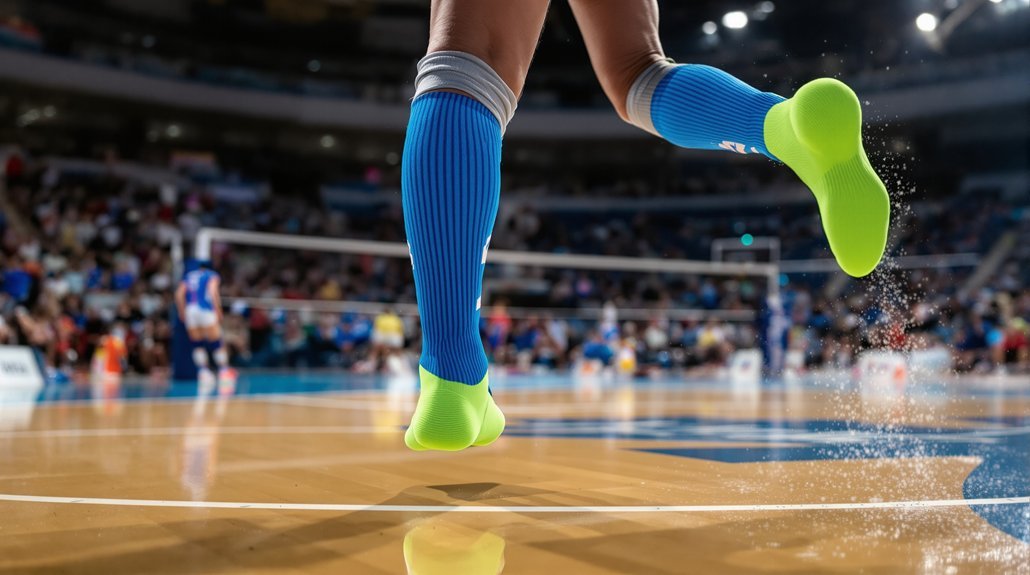
When you pick socks, check the sizing chart—many brands offer S/M/L with ankle or knee-high heights and a foot-to-calf length around 9–12 inches. Choose compression level by activity; for games, 20-30 mmHg is common, but you may prefer 15-20 mmHg for warmups, and make sure the fit isn’t too tight at the toes. Look for built-in arch support and reinforced heels and toes, breathable materials like nylon-spandex blends, and flat or low-profile seams to cut down on irritation, aiming for durability of 6–12 months with proper care.
Sizing and Fit
To pick the right pair, start by measuring your calf circumference at the widest point and your lower leg length from the floor to just below the knee, then compare those numbers to the manufacturer’s chart. Measure calf and leg, then choose a size whose measurements fall within the chart to guarantee proper graduated compression and prevent bunching. Aim for a snug but comfortable fit where 20–30 mmHg provides graduated compression—too tight can restrict circulation, too loose won’t deliver benefits. Pay attention to sock length and guarantee the top band sits just below the knee without digging in, so your ankle and knee move freely. Check targeted zones, like a reinforced heel cup and arch bands, and guarantee they align with your foot properly.
Compression Level Choice
Choosing the right compression level depends on your game plan, leg size, and comfort. For volleyball players, 15–20 mmHg offers mild support that boosts proprioception and reduces muscle vibration during play without restricting ankle mobility. Use 20–30 mmHg when you need stronger circulation and edema control, especially if you have swelling or heavy fatigue between matches. Lighter compression is typically worn during practice to maintain mobility, while moderate-to-firm compression suits post-game recovery or long travel to reduce swelling. Remember to match level to individual factors like leg circumference, swelling history, and tolerance, following manufacturer charts. If you’re unsure above 20 mmHg, consult a clinician to tailor your choice and prevent circulation issues. This helps you stay comfortable, perform better, and recover faster overall too.
Material Breathability
Because you want cool, comfortable legs through long matches, material breathability matters as much as fit. Look for fabrics with high moisture-wicking properties, such as nylon blends or technical fibers, that pull sweat away from your skin to reduce sogginess and friction. A breathable construction with mesh or ventilated zones around the calf and ankle increases air circulation and helps regulate temperature, lowering overheating and sweat-induced slipping. Choose lightweight, quick-drying materials to reduce moisture between rallies and prevent skin maceration and blisters. A fabric blend that balances durability and breathability—high-percentage nylon or polyester with small elastane—maintains compression while allowing airflow and stretch. Consider finishes like antimicrobial treatments or copper-infused yarns to stay fresher longer. Test socks in practice, compare feel during drills and matches.
Arch/Support Design
Arch support design matters because the midfoot needs steady, targeted pressure to keep your foot aligned during lateral cuts and high-ankle landings. Look for targeted arch support zones—reinforced bands or compression rings—that provide graduated midfoot pressure to stabilize the plantar fascia during jumps and quick pivots. Arch support that lifts and hugs the foot can reduce overpronation and medial arch strain, lowering the risk of plantar fasciitis and improving force transfer when you push off for spikes and blocks. A distinct arch-compression band with higher modulus in the midfoot helps maintain alignment without over-restricting toe dorsiflexion needed for direction changes. Choose socks with durable arch panels and good shape retention after washing. Check fit around the arch with a light squeeze test before wearing.
Durability and Seams
Durability in compression socks matters because volleyball’s quick cuts test seams. Look for reinforced heel and toe panels and double-stitched seams to resist repeated lateral movements and toe-off stresses you face every practice and match. Flat or seamless toe closures reduce friction and blister risk during quick directional changes and repeated jumps. Choose socks with high-tensile yarns—nylon blends with spandex—paired with a tight knit count to boost abrasion resistance and help seams hold their shape after many washes. Inspect seam placement: seams on top of toes or ankle creases wear faster, so pick designs with seams routed away from high-contact areas. Durable socks should keep elasticity and seam integrity after 30–50 machine washes; seek reinforced cuff construction to prevent rolling and seam failure altogether.
Moisture Management
Staying dry during long rallies directly affects how you move and react on court. Choose compression socks made from moisture-wicking fibers—nylon, polyester, or blends with spandex—that pull sweat away from skin to keep your feet dry during high-intensity rallies. Look for fabrics with high breathability and quick-dry properties; socks that dry within 30–60 minutes after heavy sweating help reduce blister risk and skin maceration. Seek mesh or ventilated panels in the forefoot and ankle to boost airflow and lower internal humidity during long practices or matches. Antimicrobial or copper-infused yarns can help control odor and bacteria in moist conditions, improving comfort. Make certain a snug, not tight, fit per the manufacturer size chart to manage moisture effectively. This balanced approach supports grip, speed, and recovery daily.
Comfort for Long Matches
Usually, you’ll want graduated compression in a moderate range—15–20 mmHg, up to 20–30 if you tolerate it—to support circulation without feeling tight during long matches. Choose breathable fabrics (nylon/spandex blends or moisture-control fibers) to reduce sweat buildup and chafing over multi-set play. Look for targeted cushioning in the heel and forefoot and arch support to absorb impact from repeated jumps and landings while cutting fatigue. Make sure a snug, stay-up fit with a wide top band or non-slip design to prevent rolling during quick movements and long shifts on court. Seamed or low-profile toe construction and soft, anti-odor fibers help minimize friction blisters and keep comfort over extended play. If you train late or play back-to-back matches, prioritize socks with easy care and quick drying.
Bottom Line
You’ve got solid options to boost comfort and recovery. Choose Physix Gear 20–30 mmHg for arch and heel support during hard jumps, or NEENCA 20–30 mmHg for clinical-grade compression after long matches. If you need moisture control, BLUEENJOY Copper keeps feet dry through back-to-back sets, while Easy On/Off Energy socks give cushioned footing and fast changes. Match your choice to your game schedule and splash in a few wears to gauge comfort and fit today.