

You’ve probably noticed how some young athletes beat themselves up over every mistake, replay errors for hours, or freeze under pressure because they’re terrified of falling short. That intense drive can fuel achievement, but when it crosses into harsh self-criticism and fear of failure, it drains confidence and joy from the game. The key is recognizing when healthy ambition tips into something harmful—and knowing exactly how to guide these sensitive competitors back toward sustainable success.
Key Takeaways
- Recognize warning signs like emotional exhaustion, social withdrawal, physical symptoms, and inability to find satisfaction in achievements.
- Set process-oriented goals with measurable objectives and clear timeframes rather than focusing solely on winning or outcomes.
- Ask about enjoyment and effort before competitions instead of focusing on results or performance expectations.
- Provide feedback highlighting strengths plus one improvement area while validating that nervousness shows they care about their performance.
- Seek professional help when perfectionism causes burnout, excessive distress, or self-harm thoughts; consider mindfulness training or ACT interventions.
Understanding the Difference Between Healthy Striving and Harmful Perfectionism
Pay attention to self worth foundations as well. A healthy contender maintains stable self-esteem regardless of performance outcomes. They view mistakes as learning opportunities rather than catastrophic failures.
In contrast, perfectionists tie their entire self-worth to achievement, experiencing harsh self-criticism after any error. They’re pursuing external approval rather than personal development, which creates chronic stress and fragile confidence. Perfectionism is driven by fear of failure or judgment, which fundamentally shapes how players respond to challenges. Recognizing these patterns helps you provide appropriate support.


Recognizing Warning Signs of Maladaptive Perfectionism in Athletes
Once you understand these patterns, you’ll need to watch for specific signs that perfectionism has become harmful.
Perfectionism becomes harmful when the pursuit of excellence transforms from motivation into a source of persistent emotional and physical distress.
Pay attention when your athlete shows emotional exhaustion—constant fatigue despite adequate rest, or heightened emotionality like unexpected crying or angry outbursts.
Notice if they’re focusing more on avoiding mistakes than pursuing opportunities during competition.
Social withdrawal is another critical indicator: they may isolate themselves from teammates, skip family meals, or lose interest in activities outside their sport.
Physical symptoms matter too. Watch for chronic muscle tension, changes in eating habits, or training beyond recommended limits despite medical advice.
When athletes can’t find satisfaction in any achievement or tie their entire self-worth to performance outcomes, perfectionism has crossed into dangerous territory.
Look for sudden behavioral changes or increased irritability, as these often signal that perfectionism has shifted from motivational to harmful.

Helps Manage Emotional Distress and Crisis: Specifically designed to alleviate panic attacks, flashbacks, trauma recollections, anxiety, stress, dissociation, and depression, especially during times of crisis, to help restore emotional balance.

Green Ribbon Awareness Accessories: the mental health awareness set includes 30 bracelets and 30 ribbon pins in sufficient quantity and style to meet your different needs

Rich Package Option: Our package includes 120 pcs 12 different styles of mental health awareness bookmarks, meticulously designed with motivational and cheering phrases. The diverse and elegant designs are apt for varying use and replacement, enhancing your approach towards mental health. Green color makes it even more appealing
Shifting Focus From Outcomes to Process-Oriented Goals
When your perfectionist athlete struggles with emotional exhaustion and never feels satisfied despite winning, redirecting their attention from outcomes to process goals can transform both their performance and mental health. Research shows process goals produce large performance improvements (effect size d = 1.36) while markedly reducing anxiety and building confidence through controllable actions rather than unpredictable results.
Specific techniques for implementing process goals:
- Create measurable objectives with clear time constraints, like “complete 20 quality repetitions” instead of “win the match”
- Set moderately difficult targets that challenge without overwhelming
- Incorporate self-monitoring tools to track daily progress
- Tailor goals to your athlete’s age, experience, and personal style
- Balance long-term aspirations with short-term achievable steps
- Remove barriers by preparing equipment in advance and creating an environment that makes execution automatic
Feedback timing matters considerably—regular check-ins help athletes adjust their focus and celebrate incremental wins.

Creating a Supportive Communication Environment as Parents and Coaches
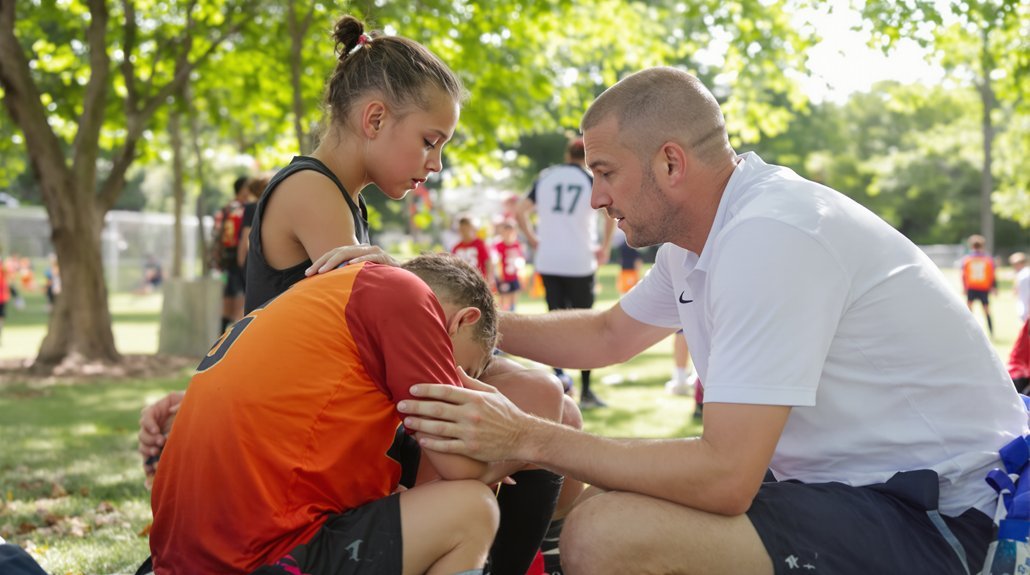
The words you choose and how you deliver them shape whether your perfectionist athlete opens up about struggles or retreats into isolation. Research by Bruce Brown and Rob Miller found that collegiate athletes most wanted to hear “I love to watch you play” from parents.
Open check-ins before competitions build emotional awareness without adding pressure. Ask “What did you enjoy today?” rather than focusing on outcomes or statistics.
Positive phrases that recognize effort and attitude work better than performance critiques—athletes already criticize themselves more harshly than you would. When giving feedback, highlight what they did well plus one improvement area. Coaches can provide controllable cues during practice and competition that help athletes focus on what they can directly influence rather than overwhelming expectations.
Validate nervous feelings by explaining that anxiety shows they care. Create clear boundaries between coaching feedback and parental support, and choose calm moments for deeper conversations about challenges they’re facing.


Evidence-Based Interventions and When to Seek Professional Help
Supporting your perfectionist athlete sometimes requires more than what you can provide at home. Research validates several effective approaches you can explore before considering professional intervention.
Evidence-based strategies include:
- Mindfulness training – Reduces maladaptive perfectionism through present-moment awareness
- Acceptance therapy (ACT) – Addresses perfectionism-related concerns in athletic populations
- Self-guided interventions – Proven effective for reducing perfectionistic tendencies
- Adaptive emotion regulation training – Teaches refocusing, acceptance, and perspective-taking
- Holistic approaches – Address both helpful and harmful aspects of perfectionism
Seek professional help when your athlete’s self-oriented perfectionism score exceeds 29.21, especially with high stress. Warning signs include burnout symptoms, excessive physical complaints, psychological distress, or thoughts of self-harm. Interventions should be tailored based on individual needs given the multidimensional nature of perfectionism.
Professional intervention becomes essential when perfectionism threatens mental health or athletic longevity.

Frequently Asked Questions
Does Early Sport Specialization Increase the Risk of Developing Perfectionist Tendencies?
Yes, early specialization markedly increases perfectionist tendencies. Research shows athletes who specialize before age 12 develop the highest rates of maladaptive perfectionism.
When you focus exclusively on one sport, your identity development becomes narrowly tied to athletic performance, intensifying fear of failure. Coach pressure and parental expectations in specialized environments often emphasize flawless execution over effort.
This combination creates mental health risks including anxiety, depression, and burnout—particularly when self-worth depends entirely on perfect performance.
How Do Olympic Athletes Maintain Adaptive Perfectionism Without Becoming Maladaptive?
Olympic athletes use mental strategies like positive self-talk and premortem visualization to maintain high standards while avoiding self-blame.
They focus on effort and improvement rather than flawless outcomes, which keeps perfectionism adaptive.
You’ll notice they also benefit from coach boundaries that emphasize “control the controllables”—directing attention to executable tasks instead of uncontrollable results.
This approach, combined with self-compassion for mistakes, prevents the shift from healthy ambition to maladaptive worry about errors.
Can Perfectionism Differ Between Individual Sports Versus Team Sports?
Yes, perfectionism manifests differently based on sport structure. Individual vs. collective settings shape distinct pressures—individual athletes face solo accountability and rely on objective metrics, intensifying self-oriented perfectionism.
Team sports create social dynamics where feedback comes from coaches and teammates, increasing fear of disappointing others. Feedback dynamics differ too: individual sports offer precise self-assessment through times and scores, while team environments involve subjective evaluations that amplify perfectionistic concerns through collective scrutiny.
Recent Posts

ASICS Women’s Netburner Ballistic FF 4 Volleyball Shoes
How to Be a Great Volleyball Parent (Realistic Guide)

What Role Does Gender Play in How Perfectionism Manifests in Athletes?
Gender differences markedly shape perfectionism in athletes.
Female athletes experience stronger negative effects—concern over mistakes and self-doubt directly reduce their sport satisfaction, while males show no such correlation.
Cultural expectations contribute to women reporting higher depression, anxiety, and stress levels compared to men.
You’ll notice male athletes score higher on “need for approval” and rumination, yet maintain better self-esteem.
These patterns require gender-specific support strategies for effective intervention.
How Long Does It Typically Take for Interventions to Reduce Maladaptive Perfectionism?
You’ll typically see meaningful reductions in maladaptive perfectionism within 8-12 weeks of consistent intervention.
Most evidence-based programs use weekly sessions during this period, with participants showing significant improvements by the end.
Timeline variability depends on treatment components—some athletes respond within 8 weeks, while others need the full 12.
The good news? Research shows 43-59% of participants achieve full recovery, with effects lasting 3-12 months post-treatment.
Bottom Line
Supporting a sensitive or perfectionist athlete requires patience and consistency. You’ll need to emphasize effort over results, celebrate small wins, and maintain open communication. If you notice persistent anxiety, sleep problems, or self-worth tied exclusively to performance, don’t hesitate to consult a sport psychologist. Remember, your goal isn’t eliminating their drive—it’s channeling that intensity toward sustainable growth and genuine enjoyment of their sport.