

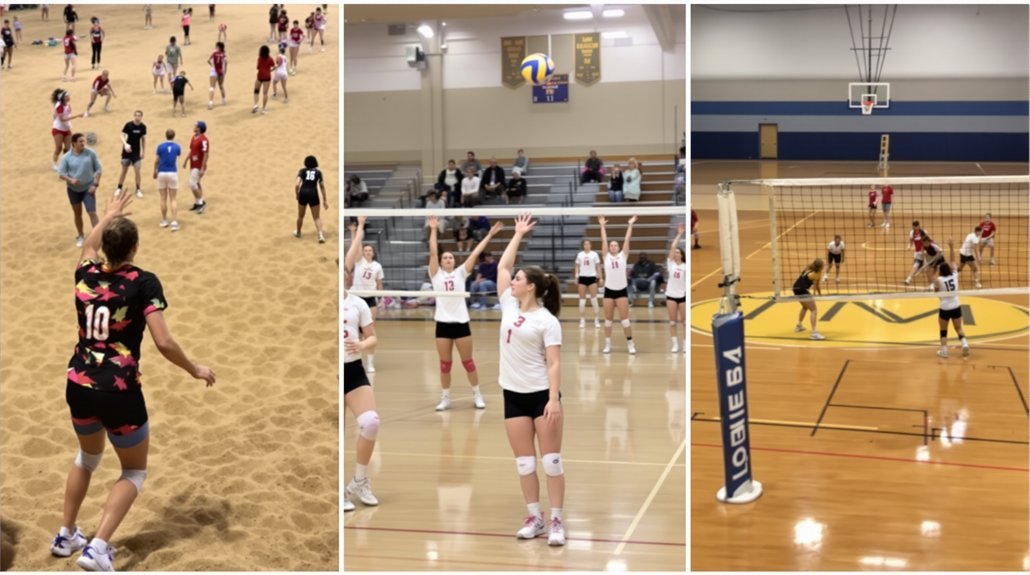
Balancing volleyball and academics isn’t about working harder—it’s about working smarter with the limited hours you’ve got. Between two-hour practices, weekend tournaments, and away games that eat up entire evenings, you’re looking at 15–20 hours of volleyball commitments each week on top of a full course load. The good news? You don’t need more time; you need a system that turns small pockets of availability into real progress on your assignments.
Key Takeaways
- Schedule study blocks immediately after school when energy is high and before evening practices begin.
- Use a weekly planning ritual on Sundays to map assignments, exams, and tournament travel for the week ahead.
- Apply Pomodoro technique with 25-minute focused work intervals to maximize productivity between volleyball commitments.
- Communicate proactively with teachers about travel schedules and complete homework before consecutive away matches.
- Engage actively with academic advisors and tutoring programs that accommodate athletic schedules for targeted support.
Understanding the Time Demands of Competitive Volleyball
Before you can effectively balance homework and volleyball, you need to understand exactly how much time the sport demands.
Most competitive programs schedule practices lasting two hours, typically running in blocks like 4:00-6:00 or 6:00-8:00 PM on weekdays. The match duration averages around two hours as well, with games running approximately 3.67 sets in best-of-five format. Your season demands extend across 25 weeks of competition following an 8-week preparatory period. Club teams often maintain training schedules 5-6 times weekly, with seasons stretching nearly 8 months.
When you account for travel time to facilities and competitions, you’re committing 15-20 hours weekly during peak season. Understanding this substantial time commitment helps you plan realistic study schedules and prevents overwhelming yourself academically.
While some programs still run 3-4 hour practices, most contemporary coaches have shifted to shorter, more efficient sessions that reduce time demands without sacrificing skill development.

Building a Structured Schedule That Works
Knowing your weekly time commitment represents only half the battle—you must now translate that awareness into a workable system.
Start by inputting all non-negotiables into a planner: classes, practices, competitions, and team meetings. Block study sessions immediately after school when your mental energy peaks, not at 11 PM when you’re exhausted.
Establish fixed rituals like Sunday planning sessions (30-60 minutes) to map upcoming assignments and exams.
Reserve distraction free spaces exclusively for homework—never study where you relax.
Use the 80/20 rule: identify the 20% of assignments that’ll generate 80% of your results.
Schedule 7-9 hours of sleep nightly and build buffer zones before heavy athletic weeks. Communicate proactively with your teachers about tournament travel and any accommodations you may need.
Review your calendar three times daily to stay ahead of deadlines.

8 1/2" x 11" Undated Academic Organizer with a weekly view

Dated Academic Organizer with a weekly view

Maximizing Your Study Time With Smart Strategies
Since you’ve built your schedule framework, the next challenge involves squeezing maximum value from every study minute you protect.
Start by organizing your work into focused intervals—the Pomodoro technique uses 25-minute blocks followed by 5-minute breaks to maintain mental sharpness. This approach prevents burnout while keeping you productive.
Next, apply goal batching by grouping similar tasks together. Complete all math problems at once, then move to reading assignments. This eliminates the 40% efficiency loss that comes from constantly switching between subjects.
Stanford research shows these time management techniques can reduce your study time by 30% while actually improving your grades.
Between volleyball commitments, even 10-15 minute blocks add up considerably when you’re intentional about using them. Keep a daily list of priorities to ensure you’re tackling the most important assignments first rather than getting lost in busywork.


【Powerful Magnetic Design for Kitchen Convenience】: Our kitchen timer for cooking is equipped with two powerful magnets on the back, making it easy to attach to any metal surface such as refrigerators, ovens, or whiteboards. Non-slip pads ensure a secure attachment, even in the busiest of kitchens. Designed for effortless one-handed operation, this magnetic timer is a perfect companion for cooking, grilling, and baking, helping you keep track of time without missing a beat

TIME MANAGEMENT — The 60-minute learning clock assists with organization and concentration among tasks. The desk timer is ideal for kids and adults to improve time management and productivity while completing activities

【High Quality Material】This cute countdown timer is made of premium ABS material, which is durable and stain resistant. It is 60 minutes manual countdown timer.
Leveraging Academic Support Systems and Resources

Beyond your personal study strategies, your school’s academic infrastructure offers powerful support systems specifically designed for student-athletes like you. Academic advisors trained in understanding athletic schedules can help you balance demanding volleyball commitments with coursework requirements. These professionals explain 90% of variance in first-year student involvement, making them essential resources.
Tutoring programs provide structured support that directly correlates with improved academic performance across all sports. At all-encompassing institutions, support centers serve approximately 650 student-athletes across 21 sports, offering everything from subject-specific tutoring to career counseling. Summer bridge programs can also assess your academic abilities before your season intensifies.
Don’t overlook these resources—64% of student-athletes report satisfaction with mentoring programs, and utilizing them strategically strengthens both your athletic and academic success. Research shows that simply being aware of academic support services does not predict GPA improvements, so it’s crucial to actively engage with these resources rather than just knowing they exist. The key is equity in access to support services, particularly if your practice and game schedules conflict with traditional office hours when these services are typically available.


Planning Ahead to Stay on Top of Your Game
When you understand the scope of your volleyball season—101 consecutive days with 55 practices and 30 games—the importance of advance planning becomes crystal clear. Break your academic tasks into smaller chunks to prevent procrastination during conference play’s demanding schedule of four practices and two games weekly.
| Planning Strategy | Implementation |
|---|---|
| Syllabus Review | Mark all assignment deadlines before season starts |
| Travel Weekends | Complete homework before consecutive away matches |
| Recovery Days | Use 1-3 day breaks strategically for major projects |
Develop locker room routines that include quick assignment reviews between practices. Establish study habit rituals during your 70-80 hour weekly commitment, allocating specific time blocks around volleyball activities. Your advance planning harmonizes the physical and mental loads that simultaneously affect both academic and athletic performance. Research shows that November fatigue coincides with both the progression of the season and increased academic demands before finals week.

Frequently Asked Questions
How Do I Handle Homework When Traveling Overnight for Volleyball Tournaments?
Pack essential study materials before departure, including all textbooks, assignments, and chargers for your devices.
During travel, use 15-20 minute study blocks between warm-ups and matches.
Find quiet study spots in hotel lobbies or designated team rooms after games.
Download digital resources for offline access on the bus.
Schedule specific evening hours for homework completion, prioritizing urgent assignments first.
Form study groups with teammates who share similar academic goals to stay accountable throughout the tournament weekend.
Should I Reduce My Course Load During Competitive Volleyball Season?
You shouldn’t reduce your course load if you’re managing well academically. Research shows 82% of student-athletes handle simultaneous academic and athletic demands successfully through proper academic pacing.
Instead, try priority mapping—identify your most challenging courses and schedule study time around practice. Female volleyball athletes actually maintain competitive GPAs comparable to non-athletes. Focus on harmonizing your physical and mental loads rather than limiting your academic opportunities during season.
What Should I Do if My Coach Schedules Practice During Exam Week?
Talk with your coach immediately—preferably 72 hours before exams begin. Most NCAA institutions have academic priority policies during exam periods, so you’re protected.
Prioritize exams by providing your coach with your exam schedule in writing. If there’s resistance, contact your athletic academic advisor who can mediate the conflict.
Your institution’s compliance office tracks academic priority violations, and 92% of NCAA schools maintain policies protecting student-athletes during finals week.
How Can I Stay Focused on Homework After Exhausting Volleyball Practices?
Combat post-practice exhaustion by scheduling regular brain breaks every 25-30 minutes to reset your concentration.
Keep energy snacks like nuts, fruit, or granola bars nearby to maintain blood sugar levels without the crash of caffeine or sugar.
Start homework immediately after a quick shower rather than collapsing on your bed, since delaying makes focus harder.
Tackle your most challenging assignments first while you’ve got remaining mental energy.
When Should I Communicate With Teachers About Missing Class for Matches?
You should notify your teachers at least one week before scheduled matches, ideally before your season starts. Early notification allows teachers to plan around your absences and adjust deadlines accordingly.
Schedule brief teacher meetings at the beginning of your season to discuss recurring conflicts, like missing seventh period on Wednesdays. Research shows 78.6% of teachers offer schedule flexibility when they’re informed ahead of time, so proactive communication greatly helps your academic success.
Bottom Line
You’ve got the roadmap: schedule your non-negotiables, protect your study blocks, and break assignments into manageable pieces. Balancing volleyball and academics isn’t about doing everything perfectly—it’s about working smarter with the time you have. Use your support systems, plan ahead during Sunday sessions, and stick to your sleep schedule. When you commit to these habits consistently, you’ll handle both your coursework and your sport with confidence.