


You’re one awkward landing away from sitting out the season. Volleyball demands explosive jumps, quick pivots, and repetitive overhead motions—all of which put your ankles, knees, and shoulders at risk. Each year, thousands of players face sprains, tendinitis, and stress fractures that could’ve been prevented. The good news? Most injuries aren’t accidents of bad luck but predictable outcomes of skipped warm-ups, weak stabilizers, and poor mechanics that you can fix starting today.
Key Takeaways
- Complete a 5–10 minute dynamic warm-up and maintain year-round strength training emphasizing eccentric leg control, hip stability, and core strength.
- Wear volleyball-specific shoes with ankle support and use ankle braces or taping if you’ve had previous sprains.
- Practice proper landing technique by keeping knees flexed and hips back, and communicate clearly to avoid player collisions.
- Incorporate neuromuscular balance training 2–3 times weekly and allow 24–48 hours between high-intensity jump sessions.
- Use protective gear including knee pads, finger tape, and ensure courts have proper overhead clearance and secure net padding.
Understanding Common Volleyball Injuries
Whether you’re setting, smashing, or diving for a dig, volleyball demands explosive movements that put significant stress on your body.
Ankle sprains top the injury list, particularly in indoor play, and a previous sprain increases your risk of recurrence up to tenfold.
Overuse injuries like shoulder tendinitis from repetitive attacking and patellar tendinopathy (jumper’s knee) from constant jumping can sideline you for weeks or months.
Finger dislocations frequently happen during blocking and setting.
From 2013–2022, U.S. emergency rooms treated nearly 350,000 volleyball injuries in tweens and teens alone.
Understanding these risks helps you focus on rehabilitation after injury and adopt preventive measures beforehand.
Proper ankle support and sound jumping mechanics are essential safeguards that every player should prioritize.
Ankle braces can be particularly helpful in reducing the risk of recurrent sprains for athletes with a history of ankle injury.

Proper Preparation and Conditioning
Because volleyball places unique demands on your joints and muscles, building a solid conditioning foundation is your first line of defense against injury.
Start every session with a 5–10 minute dynamic warm-up combining light cardio and movement-based stretches.
Follow a year-round strength program targeting eccentric control in your legs, hip stability, and core stability to protect your knees and lower back.
Don’t overlook rotator-cuff endurance exercises—they’re essential for preventing shoulder overuse.
Add neuromuscular training like balance-board drills 2–3 times weekly, especially if you’ve sprained an ankle before.
Progress your jump training gradually rather than jumping into intense volume.
Finally, prioritize rest and recovery: aim for 8–10 hours of sleep, maintain proper hydration, and allow 24–48 hours between high-intensity sessions.
Include a weekly mobility routine that targets the hip flexors, thoracic spine, and adductors to reduce injury risk.

Complete Volleyball Training Set: the volleyball training equipment aid includes 1 piece of volleyball rebounder with elastic cord, 1 volleyball training wristband, 1 volleyball bracelet, 1 volleyball drawstring bag, 1 pair of volleyball arm braces, 1 pair of volleyball knee braces, 1 volleyball headband, the complete set is convenient for your daily volleyball training and practice

【Partner-Free Solo Training Structure】This professional solo volleyball trainer features a built-in rebound structure for continuous volleyball practice. Equipped with a premium volleyball rebounder, the device delivers automatic ball return after each strike, enabling smooth volleyball equipment training without repeated ball pickup. This standard volleyball training aid supports stable rhythm for daily independent volleyball training.
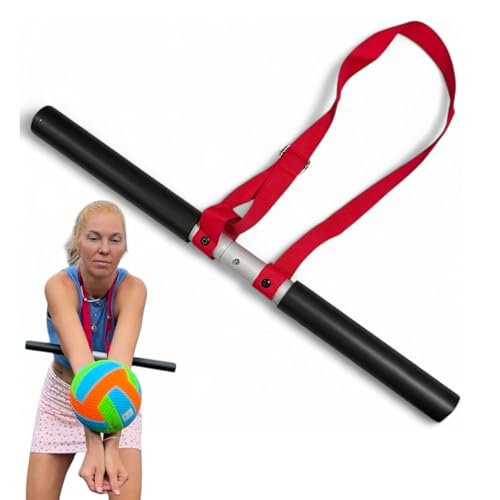
IMPROVE PASSING TECHNIQUE: The Boardee Bump-Pass volleyball gear helps you master proper arm positioning by keeping your arms straight and locked during bump-pass drills; build muscle memory for more consistent, accurate passing during solo or team practice
Essential Equipment and Safety Gear
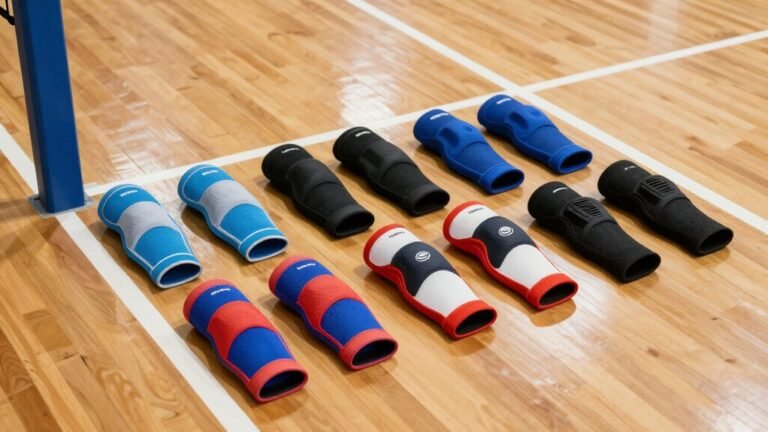
Too often, players focus solely on skill development and overlook the protective gear that can prevent common volleyball injuries. Volleyball-specific shoes with non-marking soles provide essential ankle support and shock absorption during jumps and lateral movements. Knee pads and padded defensive pants protect against abrasions when diving on hard courts. If you’ve sprained an ankle before, ankle braces or taping greatly reduce re-injury risk. Finger splints help protect vulnerable joints during blocking and setting.
| Body Area | Protection | Key Benefit |
|---|---|---|
| Feet/Ankles | Volleyball shoes, ankle braces | Prevents sprains, absorbs impact |
| Knees | Knee pads, defensive pants | Cushions dives and falls |
| Hands | Taping, finger splints | Protects against jams |
For outdoor play, apply SPF sunscreen and make certain net padding covers all exposed wires and supports. A properly fitted sleeve with targeted elbow padding can reduce bruising and speed recovery during dives and spikes.

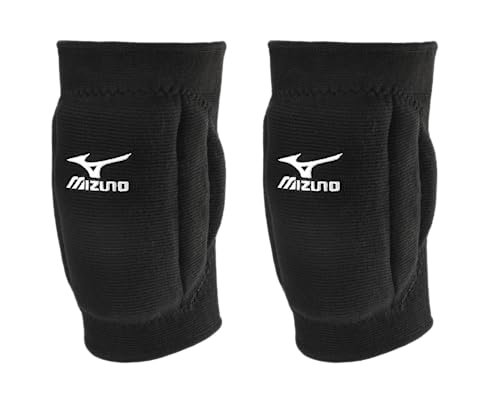
Protection: Mizuno volleyball knee pads feature high-density foam padding and advanced moisture-wicking sleeve technology for ultimate comfort during intense matches, training sessions, and competitive play on the court.

Size UP! X-Small/Small is intended for very young, typically pre-teen customers, and it runs very small. Teenagers and adults should consider choosing size M/L or larger.

【Better Protection for Knees】 The middle part of our volleyball knee pads adopts a thickened foam sponge pad with shock absorption and anti-collision. The sponge with good resilience can effectively relieve the impact on the knee during exercise, reducing knee collision and friction damage and providing better protection for your knees.
On-Court Safety Measures and Technique
While equipment provides essential protection, proper technique and court awareness prevent the majority of volleyball injuries.
Start with court communication—clear “mine” and “yours” calls reduce player collisions, especially around the net where many acute injuries occur.
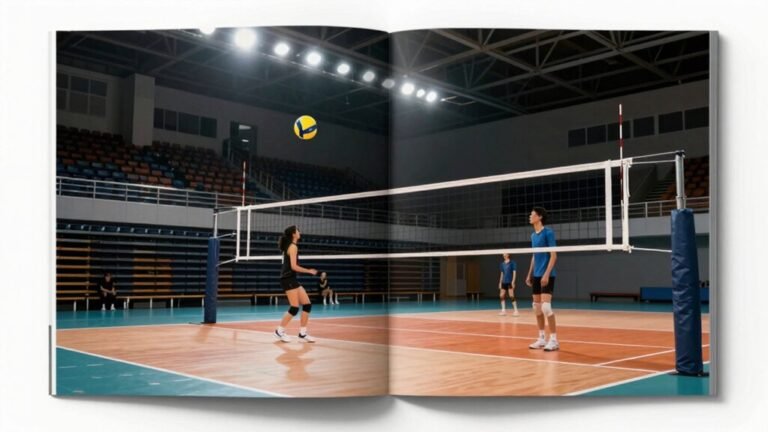
Focus on proper landing technique: always land soft with knees flexed and hips back.
Practice approach and jump mechanics regularly, since technical training lowers net-zone ankle sprains substantially.
Coach blocking foot placement carefully to prevent teammates from landing on each other’s feet, which causes roughly 25% of indoor ankle sprains.
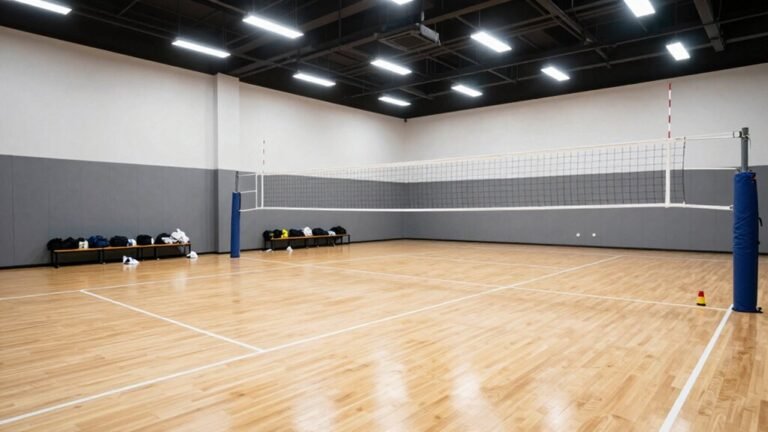
Inspect playing environment for hazards and guarantee 23-foot overhead clearance indoors.
Verify net padding is secure.
Maintain court footwear in good condition, and consider ankle support if you’ve had previous sprains—prior injuries increase recurrence risk up to tenfold.
Also ensure consistent, structured training schedules to allow the motor-skill repetition necessary for safe technique development and to reduce injury risk consistent practice.
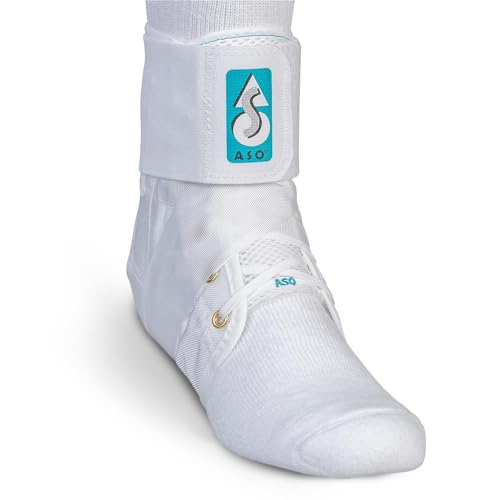
Helps Sprained Ankles Heal Faster – The ASO Ankle Stabilizer is a trusted ankle brace for sprained ankle recovery, rolled ankles, ligament & tendon injuries, and chronic ankle instability.
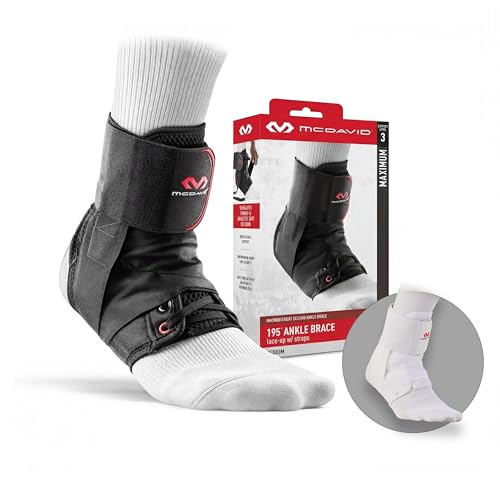
ADVANCED LACE-UP ANKLE BRACE: Engineered for women and men seeking reliable ankle brace support; features adjustable lacing system for custom compression fit; ideal ankle stabilizer brace for women and men recovering from injury
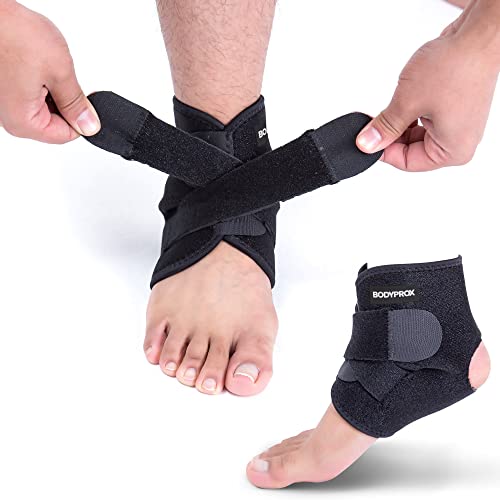
One size fits both feet, 7.8" to 11" in feet arch circumference.
When to Seek Medical Care
How do you know when a volleyball injury needs professional attention rather than home care? Seek medical evaluation for fingers showing obvious deformity, severe swelling, or inability to move, as these signs suggest fractures or tendon tears.
Fingers with deformity, severe swelling, or movement loss require immediate medical evaluation to diagnose potential fractures or tendon tears.
An ankle sprain requiring an X‑ray if pain prevents weight‑bearing or swelling persists beyond a few days—a fracture may be hiding.
Shoulder pain lasting weeks despite rest warrants assessment for rotator cuff issues from repetitive attacking.
Back pain with radiating numbness down your leg needs imaging to rule out nerve compression.
Visit urgent care immediately for suspected ACL rupture (knee giving way with swelling), open wounds, dislocations, or any concussion symptoms after head impact.
Early treatment prevents complications and speeds recovery. Seek support early if you notice signs of emotional exhaustion or prolonged stress, since protecting mental well‑being helps recovery and prevents burnout.

Frequently Asked Questions
How Long Should Volleyball Players Rest Between Tournaments to Prevent Overuse Injuries?
You’ll need at least 48-72 hours of rest duration between tournaments to prevent overuse injuries.
Plan tournament spacing with weekly downtime that includes two full rest days.
During season breaks, take 7-10 days off from competitive play.
Smart interval planning means monitoring your match load—don’t exceed three tournaments monthly.
Factor in travel fatigue and training taper before major events.
Recovery windows between matches should include active rest, not just complete inactivity, to maintain conditioning while protecting your body.
Can Playing Volleyball on Sand Reduce Injury Risk Compared to Indoor Courts?
Yes, you’ll experience sand benefits that reduce injury risk. Sand’s surface biomechanics absorb 27% more impact than hard courts, decreasing landing forces on your lower extremity.
You’ll notice improved ankle stability since sand provides natural resistance. However, sand fatigue sets in faster, and traction challenges affect your playing footwear choices.
Joint loading decreases substantially, but environmental factors like heat require extra hydration. Overall, beach volleyball offers protective advantages for your knees and ankles.
What Are the Best Recovery Methods After an Intense Volleyball Game?
You’ll recover faster by combining several proven methods. Start with cold immersion or contrast baths within 30 minutes post-game to reduce inflammation.
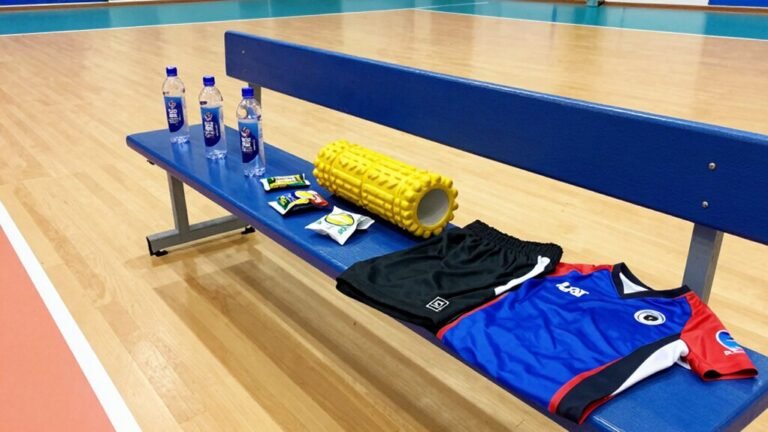
Follow with foam rolling and soft tissue mobilization to release tight muscles. Compression therapy enhances circulation overnight.
Don’t skip active recovery—light movement keeps blood flowing. Practice guided stretching while muscles are warm.
Focus on nutrient timing by consuming protein within two hours. Prioritize sleep optimization and hydration strategies, drinking 16-20 ounces per pound lost during play.
Recent Posts
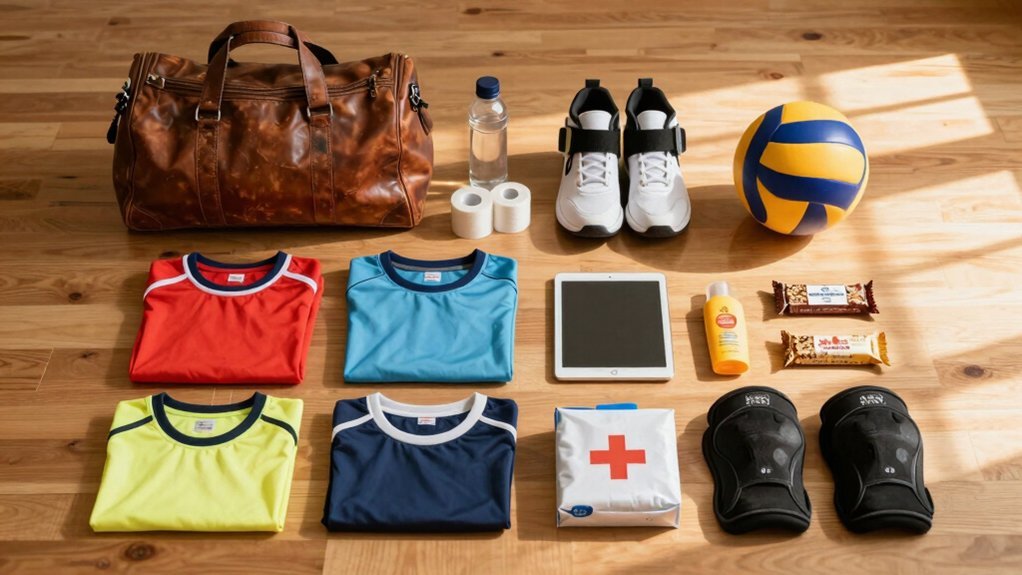
The Tournament Packing Checklist for Volleyball Families
SKLZ Reactive Flash LED Training Pods
Should Youth Volleyball Players Limit Practice Hours Differently Than Adult Players?
Yes, you’ll need to adjust youth workload carefully since growth plates remain vulnerable until ages 14-17.
Age appropriate session intensity matters—limit practices to 90 minutes for players under 12 and avoid early specialization before age 14.
You should prioritize sleep requirements (9-11 hours nightly) and use monitoring tools to track fatigue.
Coach education and parental guidance help guarantee skill progression happens safely without overtraining young athletes during critical development years.
Are There Specific Nutritional Supplements That Help Prevent Volleyball-Related Injuries?
You’ll benefit most from vitamin D (2,000-4,000 IU daily), omega-3s for joint health, and collagen peptides to strengthen connective tissues.
Creatine monohydrate supports muscle recovery, while magnesium glycinate reduces cramping.
Glucosamine sulfate protects cartilage, and branched-chain amino acids aid muscle repair.
Zinc picolinate boosts immune function, curcumin supplements fight inflammation, and probiotics daily improve nutrient absorption.
These supplements work best alongside proper training and nutrition, not as replacements.
Bottom Line
You’ve got the tools to keep yourself safe on the court. Stick to your dynamic warm-ups, maintain year-round conditioning, and don’t skip those neuromuscular balance sessions 2–3 times weekly. Use proper gear, practice safe mechanics, and give your body 24–48 hours between intense jump sessions. If you experience severe pain or notice deformity, see a healthcare provider right away. Prevention beats recovery every time.