

If you’re trying to figure out where your young athlete fits in the volleyball world, you’ve got three main options: recreational leagues, school teams, and club programs. Each level serves a different purpose, demands a different commitment, and opens different doors. The right choice depends on your child’s goals, schedule, and how seriously they want to pursue the sport—and the differences might surprise you.
Key Takeaways
- Recreational volleyball introduces beginners to basic skills like serving and passing in a low-pressure, safety-focused environment.
- School teams offer structured competition with regular practices, academic requirements, and emphasis on fundamentals and teamwork.
- Club volleyball provides year-round, position-specific training with age divisions and is essential for college recruitment prospects.
- Players progress from general ball control at recreational level to specialized roles like setter, outside hitter, and libero.
- Each level increases in commitment, cost, and competition intensity, preparing athletes for advancement through evaluations and tryouts.
Recreational Volleyball: Building Foundations Through Fun
Recreational volleyball typically serves as most players’ first real introduction to the sport, and it’s designed with that in mind. You’ll focus on basic skills like serving, passing, and keeping the ball in play rather than mastering perfect technique. Most beginners can get their serve over the net about 50% of the time—and that’s completely normal at this stage.
When comparing recreational vs club volleyball, the biggest difference is intensity. Rec programs use simplified rotations, often placing the setter in the middle-front position. Coaches emphasize safety and sportsmanship, teaching you to call for the ball and avoid net touches.
You’ll practice general ball control through pickup-style games in a low-pressure environment. Think of recreational leagues as your stepping stone—once you’re consistently placing passes for a setter, you’re ready for intermediate tryouts.

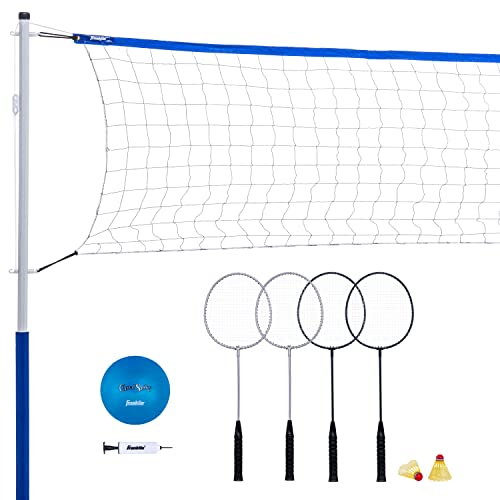
COMBO SET: Play beach volleyball or badminton in the backyard or in the park. Whether you’re at a family barbecue or having a get-together with friends, this starter volleyball and badminton combo set is everything you need for outdoor fun!

READY TO PLAY: Warm up your bumps and volleys and be prepared for endless fun with the Rubber Cover Volleyball from Champion Sports. Our professional volleyballs provide unmatched quality and performance so you will get the best out of your game.

Recreational Volleyball and Badminton Set: Comes with a badminton/volleyball net, two three-piece steel poles, four strung tempered steel badminton racquets, three quality nylon shuttlecocks, one volleyball, one pump with a needle, two guide ropes with plastic stakes, boundary tape, a 600D×600D heavy-duty nylon carrying bag, and assembly & rules instructions
School Teams: Structured Competition and Team Development
Once you’re ready to take your game beyond recreational play, school teams offer the perfect next step. Middle school and high school programs run one to three months, with practices two to three times weekly. You’ll work with coaches who focus on fundamentals and teamwork rather than year-round specialized training.
School volleyball follows interscholastic rules and includes scheduled matches, district tournaments, and potential playoff runs. You’ll need to meet academic requirements and pass tryouts to make the roster.
When comparing middle school vs club volleyball, school teams emphasize positional rotation. You’ll get exposure to setter, outside hitter, middle, and libero roles. This broad skill development prepares you for club play later. School programs also encourage multi-sport participation, which builds overall athleticism and prevents burnout.

【Partner-Free Solo Training Structure】This professional solo volleyball trainer features a built-in rebound structure for continuous volleyball practice. Equipped with a premium volleyball rebounder, the device delivers automatic ball return after each strike, enabling smooth volleyball equipment training without repeated ball pickup. This standard volleyball training aid supports stable rhythm for daily independent volleyball training.

Experience Unmatched Versatility with Apex Sports: Our 7x4 ft Volleyball Rebounder Net is a game-changer for players looking to elevate their skills. With a massive 28 square feet of rebounding surface, it's perfect for practicing various shots. The adjustable angles feature allows players to simulate real-game scenarios, enhancing training effectiveness. Whether you're a beginner or a pro, this net is designed to cater to all skill levels, making it an invaluable addition to your training regim
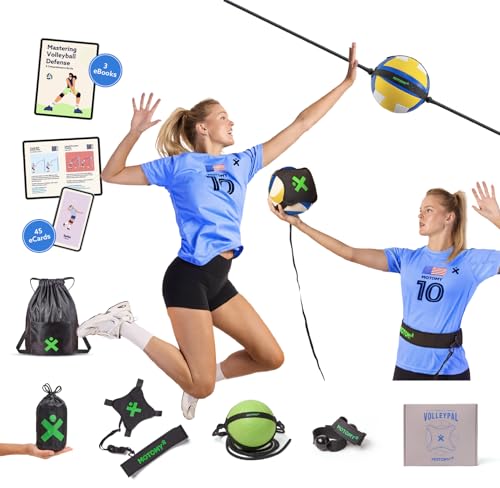
Complete Volleyball Gift Set: MasterKit box includes serve trainer (pouch, waistband, cord), setting straps, spike trainer (ball harness, emulsion cords), drawstring bag, travel bag and gift-ready box; volleyball not included
Club Volleyball: Advanced Training and Competitive Pathways
School teams give you a solid foundation, but club volleyball takes your development to another level entirely.
Club programs run year-round with age divisions like 12U, 14U, 16U, and 18U, offering structured training that school seasons simply can’t match. You’ll work on position-specific skills—whether you’re a setter, middle, outside hitter, or libero—using advanced tools like Vertec jump trainers and plyometric drills.
Club volleyball represents one of the most effective youth volleyball pathways for serious players. Programs follow USA Volleyball rules and require tryouts for placement based on your assessed abilities.
Season fees cover gym rental, coaching, tournament entry, and travel to regional and national competitions. The highest-level teams attract college scouts, making club play essential if you’re pursuing recruitment. Advancement happens through evaluations and coach approvals.

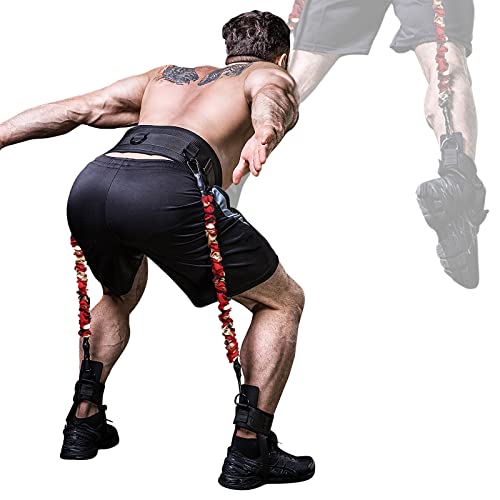
Safety First - Don't worry about tripping over the box, overcome psychological fear. Easy storage and portability, making it a convenient addition to any home gym or workout spa

Great Volleyball Gift:Focopot Volleyball Training Kit includes a ball pouch with retractable cord, an adjustable waistband, two hand straps, and a portable backpack, making it the perfect volleyball gift.

Work on improving your hitting technique, toss, and serve without chasing the ball
Frequently Asked Questions
What Are the Different Levels of Volleyball?
You’ll typically find three levels: recreational, school, and club.
Rec leagues focus on fun and basic skills—perfect if you’re just starting out.
School teams (middle and high school) add structured practices, positions, and seasonal competition.
Club volleyball is the most demanding, with year-round training, travel tournaments, and age-based divisions like 14U or 16U.
Each level requires more time, skill, and investment than the last.

What Are Different Levels of Club Volleyball?
Club volleyball typically breaks into three main levels.
Local or Development teams focus on building fundamentals with limited travel.
Regional teams compete at qualifier tournaments and expect stronger technical skills plus more practice hours.
National or Open teams (often called AA or Open) draw top talent, require advanced position specialization, and involve extensive travel to major tournaments.
Many clubs also run intermediate tiers like B or BB to match players appropriately.
What Is the Difference Between Club and School Volleyball?
Club volleyball runs year-round with multiple weekly practices and travel tournaments, while school volleyball fits into a single fall season tied to your school’s schedule.
You’ll find club coaching more specialized—think position-specific training and jump programs—plus tryouts and commitment fees covering gym time and tournament entry.
School teams cost less but offer fewer training hours and less tactical depth overall.
What Is the Difference Between Rec and Club Volleyball?
Rec volleyball focuses on fun and basic skills with mixed-skill play, shorter seasons, and minimal fees. You’ll practice with volunteers at local community centers.
Club volleyball requires tryouts, charges higher fees, and demands serious commitment—you’ll practice 2–5 times weekly and travel for tournaments. Club offers specialized coaching and college exposure, while rec welcomes beginners without pressure. Your choice depends on your goals and availability.
Bottom Line
No matter where you start, each level of youth volleyball builds on the last. Rec leagues teach you the basics in a low-pressure setting. School teams add structure and regular competition. Club programs push your skills further with specialized coaching and tournament exposure. You don’t have to rush the progression—many players thrive by moving through all three stages at their own pace. Choose the path that fits your goals and schedule.