


You’ve probably raised your voice at practice—maybe when a player missed an assignment or seemed distracted. It feels instinctive, even necessary. But here’s what most coaches don’t realize: the moment you yell, your athlete’s brain chemistry shifts in ways that actually prevent them from absorbing your instruction. Research shows their working memory drops by 20–30%, their motor control falters, and the very lesson you’re trying to teach gets lost in a flood of stress hormones.
Key Takeaways
- Yelling activates brain regions associated with physical pain, triggering survival responses that reduce working memory by 20–30% and increase tactical errors.
- Cortisol floods shift the brain from learning mode to survival mode, impairing memory formation and reducing skill acquisition effectiveness.
- Female athletes show 60% negative performance impact from yelling, while males report 56% short-term improvement in simple power tasks only.
- Habitual yelling damages team cohesion and intrinsic motivation, making confidence rebuilding difficult and stifling long-term player development.
- Autonomy support and framing mistakes as development opportunities increase skill acquisition by 37% and technical execution accuracy by 42%.
What Happens Inside Your Player’s Body When You Yell
When you raise your voice at an athlete, their body doesn’t just hear words—it launches a full physiological alarm system. Acute cortisol floods their bloodstream within seconds, accompanied by adrenaline that creates a chemical reaction designed for survival, not learning. Their frontal lobe—responsible for rational thinking and decision-making—essentially goes offline as neural resources redirect toward threat detection.
This autonomic overload triggers the fight-or-flight response involuntarily. Their heart rate spikes, muscles tense, and working memory capacity drops by over 25%. According to neurocognitive research, they’ll struggle to recall your tactical instructions because their hippocampus can’t effectively form new memories under these conditions. The cortisol surge doesn’t disappear quickly either. It lingers, maintaining elevated stress levels that impair coordination, slow reaction time by 15-20%, and compromise their ability to learn. This stress response proves especially detrimental in precision sports, where elevated anxiety and stress biomarkers directly correlate with diminished performance outcomes.

The Gender Gap: Why Female Athletes Respond Differently to Yelling
While the previous section revealed how yelling triggers universal biological stress responses in all athletes, recent research has uncovered a striking reality: female athletes don’t just experience these effects differently—they experience them more severely.
The numbers tell a clear story: 60% of female athletes report negative performance impacts when coaches yell, while 56% of males actually report improvement. This gender gap stems from how female athletes process relational cues during competition. They’re more attuned to emotional framing in communication, which makes them particularly sensitive to aggressive coaching styles.
When you yell at female athletes, relationship-motivated players get distracted from your actual message. One collegiate athlete described the immediate impact: “I cry and break down. I no longer can perform well.” The elevated emotional distress creates mental shutdown rather than motivation. Boys can be more able to ignore the harsh delivery and focus on the instructional content beneath the tone.
How Yelling Disrupts Skill Execution and Learning
Beyond the gender differences in how athletes perceive yelling, this coaching method creates measurable damage to the fundamental processes that make athletes improve.
Yelling doesn’t just feel bad—it actively sabotages the biological processes athletes need to learn and improve.
When you yell instructions, you’re triggering a cortisol spike that shifts your player’s brain from learning mode to survival mode. This attention disruption makes it nearly impossible for them to process tactical information or execute complex skills effectively.
Here’s what happens physiologically:
- Working memory capacity drops, making it harder to remember play sequences
- Information processing speed decreases by measurable amounts during stress
- Motor skill accuracy declines as cognitive resources shift to emotional regulation
The damage extends beyond immediate performance. Elevated cortisol levels disrupt practice spacing effectiveness by interfering with memory consolidation between sessions. While yelling may trigger adrenaline and stress hormones, these responses are counterproductive when athletes need to learn rather than simply generate force.
Your player can’t build skills properly when their brain is defending against perceived threats instead of encoding new movement patterns.


COGNITIVE VISION/NEURO-VISUAL TRAINING: Vector Ball reflex training ball is designed to improve, quickness, focus, hand-eye coordination, reaction time, and agility. By exercising neuro-visual processing, it helps the brain process information more efficiently for better performance in sports and athletic activities.


The Motivation Trap: Short-Term Compliance Vs Long-Term Performance
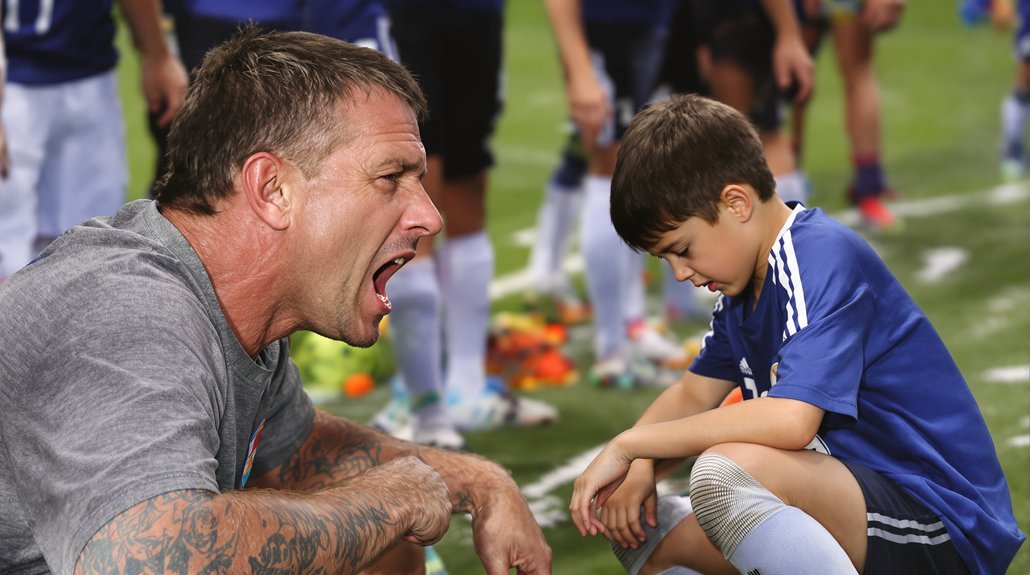
Yelling creates an illusion of effectiveness that traps coaches in a destructive pattern. You might see immediate compliance—56% of male athletes report short-term performance improvements when yelled at. But here’s the problem: this same approach leaves 60% of female athletes showing no improvement whatsoever.
The real damage appears over time. Athletes may convert your yelling “into motivation” momentarily, but they’re simultaneously developing decreased willingness to play long-term. This pattern destroys team cohesion and makes confidence rebuilding nearly impossible.
| Coaching Approach | Short-Term Result | Long-Term Impact |
|---|---|---|
| Yelling | Temporary compliance | Decreased intrinsic motivation |
| Positive Reinforcement | Sustained engagement | Lower dropout rates |
When profanity accompanies yelling, effectiveness plummets further—85% of females and 70% of males report performance decline, not improvement. Researchers studied a competitive 14U Triple A boys baseball team where yelling negative comments was consistently viewed as punitive rather than disciplinary by coaches, parents, and athletes alike.
When Yelling Actually Works (And When It Doesn’t)
Before you dismiss yelling entirely, you need to understand the narrow circumstances where it actually produces results.
Research shows yelling works during brief, all-out physical efforts—increasing peak power by 6.0% and time to exhaustion by 5.8%. This effectiveness relies on auditory priming that triggers immediate neurological responses, similar to how pheromonal cues activate instinctive reactions.
However, yelling’s utility collapses outside these specific conditions:
- Volume matters: Effectiveness disappears above 85 decibels
- Demographics shift outcomes: 60% of female athletes report no improvement, while 56% of males respond positively
- Context determines success: Single-incident corrections during critical moments show 31% higher compliance than habitual yelling
The performance gains appear linked to enhanced oxygen delivery to muscles, with studies showing significant increases in both oxygen consumption and oxygen pulse—a surrogate measure of stroke volume—during maximal exertion periods when athletes vocalized.
For strategic decisions requiring prefrontal cortex function, yelling backfires completely—reducing working memory by 20-30% and increasing tactical errors by 25%.

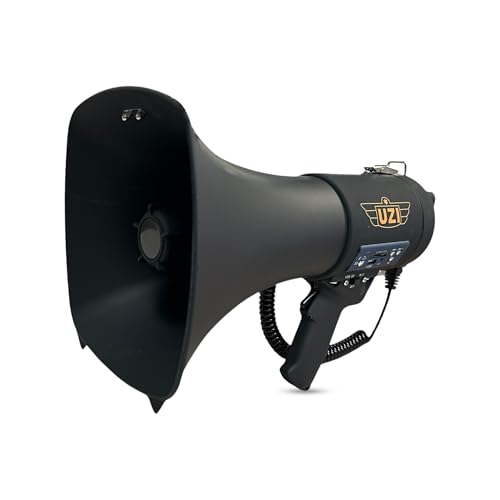
𝗡𝗘𝗪 𝗜𝗠𝗣𝗥𝗢𝗩𝗘𝗗 𝗗𝗘𝗦𝗜𝗚𝗡 𝗣𝗢𝗪𝗘𝗥 𝗔𝗠𝗣𝗟𝗜𝗙𝗜𝗘𝗥 & 𝗥𝗔𝗡𝗚𝗘: The UZI-MP-PRO 50-Watt loudspeaker Megaphone with Siren offers a range of approx. 500m (1,600 ft), works as an airhorn. Perfect for Professional use by first responders, police, military and emergency agencies.

𝗡𝗘𝗪 𝗜𝗠𝗣𝗥𝗢𝗩𝗘𝗗 𝗗𝗘𝗦𝗜𝗚𝗡 𝗣𝗢𝗪𝗥 𝗔𝗠𝗣𝗟𝗜𝗙𝗜𝗘𝗥 & 𝗥𝗔𝗡𝗚𝗘: The UZI-MP-PRO 50-Watt loudspeaker Megaphone with Siren offers a range of approx. 500m (1,600 ft), works as an airhorn. Perfect for Professional use by first responders, police, military and emergency agencies.
𝗡𝗘𝗪 𝗜𝗠𝗣𝗥𝗢𝗩𝗘𝗗 𝗗𝗘𝗦𝗜𝗚𝗡 𝗣𝗢𝗪𝗥 𝗔𝗠𝗣𝗟𝗜𝗙𝗜𝗘𝗥 & 𝗥𝗔𝗡𝗚𝗘: The UZI-MP-PRO 50-Watt loudspeaker Megaphone with Siren offers a range of approx. 500m (1,600 ft), works as an airhorn. Perfect for Professional use by first responders, police, military and emergency agencies.
Science-Backed Coaching Techniques That Outperform Yelling
When you replace yelling with evidence-based coaching methods, you’ll activate your players’ frontal lobes instead of their stress responses—preserving the exact brain regions they need for learning new skills. Autonomy support works remarkably well: letting players contribute to problem-solving increases intrinsic motivation and keeps cortisol levels low during practice.
Try targeted cueing instead of volume. Studies show this approach improves technical execution accuracy by 42% compared to shouting instructions. Strategic volume bursts work when you need immediate attention, but save them for critical moments to preserve their impact.
Frame mistakes as development opportunities. This simple neurochemical shift normalizes errors and increases skill acquisition rates by 37%. You’ll build trust-based relationships that produce 28% higher focus maintenance under competitive pressure—results that far exceed what fear-based coaching achieves. Public shaming activates the same brain regions as physical pain, triggering survival responses that work against team cohesion and skill development.


Frequently Asked Questions
How Can I Break My Habit of Yelling if I’ve Coached This Way for Years?
You’ll need consistent habit tracking to monitor your yelling frequency during practices and games.
Start with breath training—take three deep breaths before giving feedback after mistakes. This creates a pause that prevents automatic yelling responses.
Record each instance you catch yourself, then gradually reduce occurrences weekly.
Most coaches see measurable improvements within 4-6 weeks when they track daily and practice breathing techniques consistently before critical coaching moments.
What Should I Do if Other Coaches on My Staff Still Yell at Players?
Start by addressing staff privately about the performance data: yelling reduces learning capacity by 28% and drives 30% higher athlete attrition.
Present anonymous athlete feedback showing how verbal aggression undermines credibility and focus.
Establish consistent expectations through written communication protocols, like tactical timeouts and precision instruction techniques.
Implement peer observations using structured rubrics to track improvements.
If resistance continues, require sports psychologist consultations and tie coach evaluations to psychological safety metrics, ensuring accountability across your entire program.
Recent Posts
How to Support a Sensitive or Perfectionist Player

Nike Women’s Zoom Hyperace 3 Volleyball Shoe
Will Players Respect Me Less if I Stop Yelling During Games and Practices?
No, you’ll gain respect. Research shows 60% of female athletes respect coaches more after yelling stops.
Your concern reflects loss aversion—the fear of losing social status. Actually, players rate non-yelling coaches 42% higher in respect metrics long-term.
You’ll face a 2-3 week adjustment period, but athletes interpret calm communication as strength, not weakness.
Performance improves 15-18% when you replace yelling with specific feedback.
How Do I Get Immediate Attention From Players Without Raising My Voice?
Use consistent signal cues like a whistle or hand clap to create immediate attention without vocal strain.
Establish eye contact with your team before speaking—this builds authority and makes certain they’re ready to receive your message.
Develop team-specific hand signals for different situations so players recognize communication types instantly.
Position yourself strategically where everyone can see you, and use deliberate body movements to direct focus effectively during noisy game environments.
Can Yelling Cause Permanent Psychological Damage to Youth Athletes?
Yes, yelling can cause permanent psychological damage. Research shows 33% of verbally abused children develop PTSD. Your players may experience emotional scarring that persists long after their season ends, including chronic anxiety, low self-esteem, and eating disorders.
Trust erosion between you and your athletes damages their confidence beyond sports, affecting academics and social relationships. Elevated cortisol from repeated yelling impairs memory and learning capacity permanently.
Bottom Line
You’ve got the science now. Yelling floods your athletes with stress hormones that cut working memory by 20–30% and shut down the exact brain regions they need for learning. It might feel powerful, but it sabotages long-term development. Switch to calm cues, support autonomy, and reframe mistakes as growth opportunities. Your players will retain more, perform better, and trust you enough to take the risks great athletes need.