


You’ve just watched your player miss three serves in a row during the championship set, and every coaching instinct tells you to start correcting technique right now. But here’s what most coaches get wrong: the first words you say after a match can either build trust or create a wall that takes weeks to break down. The difference comes down to understanding one critical principle about how athletes process feedback when their adrenaline is still pumping.
Key Takeaways
- Wait 15–30 minutes after the match before detailed feedback to allow emotional regulation and increase player receptiveness by 42%.
- Keep immediate post-match remarks under one minute, using positive unified language while avoiding tactical critiques during heightened emotions.
- Balance feedback at 75% positive frequency and focus on one or two specific points to maintain receptiveness and prevent overload.
- Praise publicly during team settings but address mistakes privately in one-on-one conversations to protect player confidence.
- Use reflective questioning and player self-evaluation before providing coach analysis to guide insight and encourage ownership.
Wait Before You Speak: Why Timing Matters More Than Your Message
When your daughter walks off the volleyball court after a tough match, your instinct might be to immediately share what you observed. Resist that urge. Athletes need 15-20 minutes to emotionally regulate and cognitively process what just happened before they can absorb your feedback effectively.
Research shows players demonstrate 42% greater receptiveness to comments when you wait at least 30 minutes post-match rather than jumping in immediately. This post match reflection window allows your athlete to identify performance issues herself first.
Before speaking, conduct a quick athlete readiness assessment by observing her body language and emotional state. If she’s still visibly frustrated or physically exhausted, extend your waiting period. Your message’s impact depends entirely on delivering it when she’s truly ready to listen.
Quality communication requires emotional responsiveness, which means adapting your approach based on your athlete’s current state rather than your own agenda. This creates the complementarity needed for productive post-match conversations.

Keep Your Composure: Setting the Emotional Tone as a Coach
Your emotional state in the moments after a match sets the tone for everything that follows—how your player processes the outcome, what she learns from the experience, and whether she builds confidence or doubt.
Research shows that coach demeanor directly influences athlete confidence and performance. When you maintain composure, you create a calming effect that reduces your player’s anxiety.
Three ways emotional modeling shapes your player:
- Your stress level becomes her stress level – studies confirm athletes mirror their coach’s emotional state
- Your calm creates clarity – composed coaches help players think better under pressure
- Your response teaches resilience – how you handle losses demonstrates how she should too
Practice deep breathing before approaching your player. This scientifically-backed technique regulates emotions and models self-control. Recognize your emotional triggers so you can prevent negative reactions that undermine the post-match conversation.
What to Say Immediately After the Match Ends
The seconds right after the final whistle represent your most critical communication window—and your briefest. You’ll want to keep your immediate remarks under one minute. Gather your team at center court and use positive, unified language like “Great fight” or “Strong finish.” Include everyone—starters and bench players alike. Avoid discussing mistakes or tactical errors while emotions run high. Instead, direct your players through standard rituals: handshakes with opponents, a quick team huddle, perhaps a synchronized clap.
Then shift quickly with clear instructions: “Locker room in 90 seconds.” This isn’t the time for analysis. Save detailed performance reviews for tomorrow’s film session when everyone’s cooled down emotionally. Right now, acknowledge their collective effort and move forward. Remain level-headed regardless of whether you’ve just won or lost, as your composure sets the tone for how players will process the outcome.

Creating a Constructive Feedback Framework That Works

After emotions settle and your team has regrouped, you’ll need a systematic approach to deliver feedback that actually improves performance. Your framework should adapt based on player development levels while maintaining consistent feedback timing within 15-30 minutes post-match.
Structure your feedback using this three-part framework:
- Adjust your skill ratio based on player level – Lower skilled setters need 39% tactical feedback, while developing players require 18% technical correction on execution
- Balance positive and negative remarks at 75% positive frequency – This ratio creates receptiveness without diluting constructive criticism
- Use specific performance metrics – Reference actual rallies and decisions rather than vague observations to demonstrate you’re genuinely invested in their growth
Consider incorporating player perceptions of their own performance by asking them to self-evaluate key moments before you provide your analysis. This systematic approach transforms post-match conversations into development opportunities.
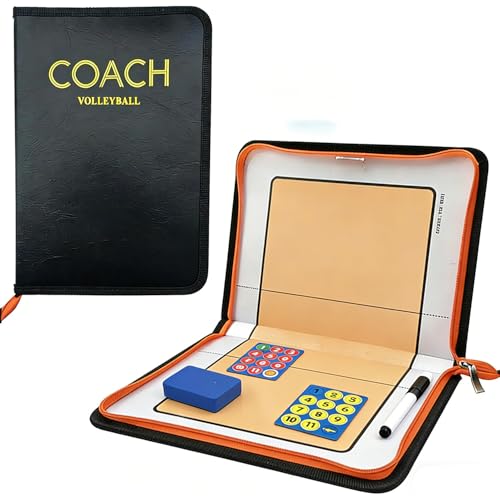
PU leather sheath,Zipper-closure,dry erase and magnetic pitch.

CONTROLLED BLOCKING – Our volleyball blocker that makes it an ideal equipment for volleyball training. Our volleyball quad blocker consists of four units that firmly secure to the net, providing a highly controlled blocking experience during training sessions. This allows players to practice against a consistent and reliable block, mimicking real - game scenarios.
Mastering Communication Methods for Maximum Impact
Breaking down your communication approach into distinct methods will dramatically improve how your feedback lands with players.
Your body language matters as much as your words—maintain open posture and eye contact to signal engagement.
Use reflective questioning to guide players toward their own insights: “What adjustments did you notice working in the third set?” This technique builds critical thinking skills better than direct instruction alone.
Combine verbal feedback with visual tools like video review within 24 hours while match details remain fresh.
For visual learners, draw tactical adjustments on whiteboards to reinforce concepts.
Match your communication intensity to each player’s emotional state—some need calm reassurance while others respond to energetic encouragement.
Consistency across your coaching staff prevents conflicting messages that confuse players.
Focus on one or two key points during your immediate post-match conversations to avoid overwhelming players with too much information at once.

Choosing the Right Setting: Public Praise vs. Private Conversations
Where you choose to give feedback can make or break its effectiveness with your volleyball players. You’ll want to praise publicly and criticize privately—this isn’t just advice, it’s psychological science. Public recognition during team rituals reinforces positive behaviors, while developmental feedback requires privacy to protect confidence. Understanding locker etiquette means knowing when to step back and when to pull a player aside.
Three critical setting choices:
- Post-match huddle: Keep it general and positive, focusing on one or two team-wide observations
- Private video sessions: Deliver specific, actionable critique with concrete examples from the match
- Team meetings: Address collective patterns only, reserving individual concerns for private conversations
Your feedback location determines whether players hear you or tune you out. Many players respond better when the “why” is understood, so connect your feedback directly to performance outcomes they care about. Choose wisely.

DOUBLE-SIDED DESIGN - This dry erase volleyball coaching board is double sides with a full court on the front and a Volleyball Rotation Wheel with a box score line up on the backside to help coaches get a clear picture of the full volleyball play board.
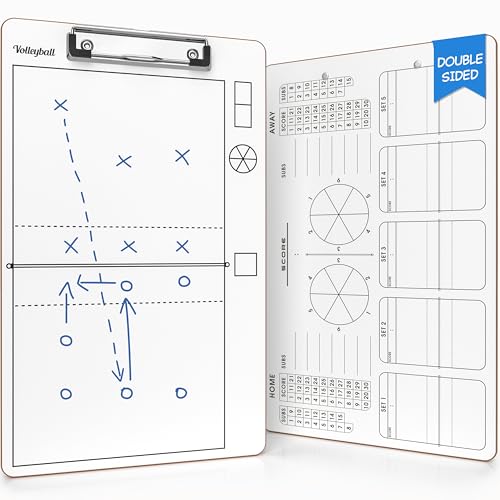
DOUBLE-SIDED DESIGN - This dry erase volleyball coaching board is double sides with a full court on the front and a Volleyball Rotation Wheel with a box score line up on the backside to help coaches get a clear picture of the full volleyball play board.

ALL GREAT PLAYS START WITH A PLAN: Having a comprehensive game strategy is critical for optimal performance and success. This dry erase board for coaches is the perfect visual representation to strategize and demonstrate plays and formations.
Frequently Asked Questions
How Do I Handle Parents Who Want to Discuss Their Child’s Performance Immediately?
You’ll need to set boundaries firmly but politely when parents approach you immediately after matches.
Acknowledge their concern, then redirect them by saying, “I understand you’d like to discuss Sarah’s performance. Let’s schedule a meeting for tomorrow after practice.”
This 24-hour waiting period allows emotions to settle and creates space for a more productive conversation.
Offer specific meeting times to show you’re accessible while maintaining professional standards.
What if a Player Refuses to Engage in Post-Match Conversation?
Respect boundaries when a player doesn’t want to talk. Give them space and say, “I’m here when you’re ready.” Don’t force the conversation or take it personally.
Some athletes need time to process emotions before discussing performance. Offer resources like a team counselor or trusted assistant coach if they’d prefer talking to someone else.
Follow up within 24 hours with a brief check-in, but let them control the timing and depth of discussion.
Recent Posts


ASICS Women’s Upcourt 6 Volleyball Shoes
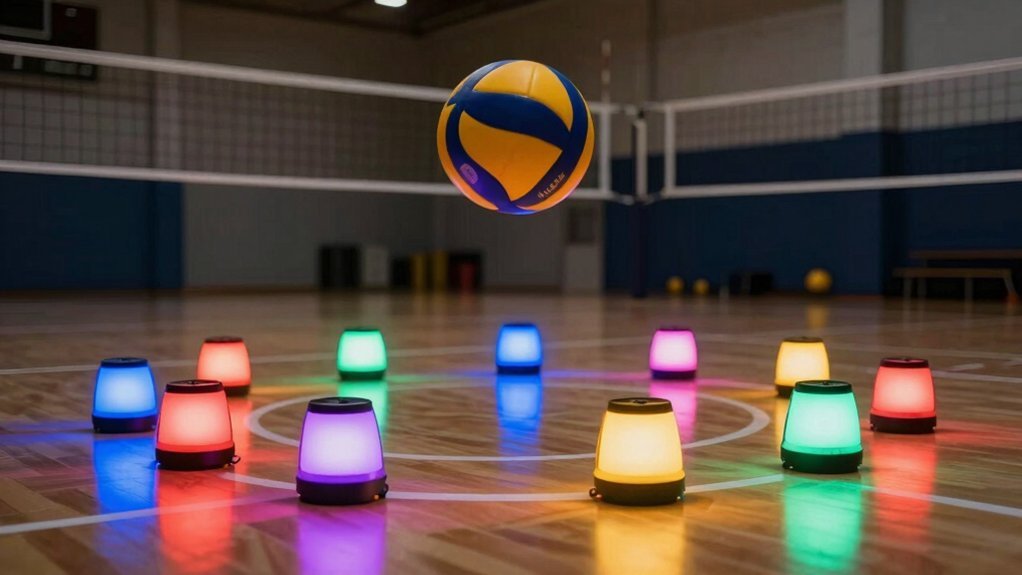
Reflexx RLT 2.0 Reaction Time Training Lights
Should Injured Players Receive Different Post-Match Feedback Than Active Players?
Yes, you’ll need to modify expectations for injured players during post-match conversations. Instead of discussing on-court execution, focus on what they observed tactically and how their rehabilitation supports team goals.
Adjust training discussions to emphasize mental preparation and video analysis opportunities. Keep feedback brief—one or two priorities maximum—and redirect attention toward recovery milestones that connect to future contributions rather than dwelling on their absence from the current match.
How Do I Address Conflicts Between Players That Emerged During the Match?
Address player conflicts within 24 hours through private conversations that identify the conflict root cause—whether it’s playing time frustration, miscommunication, or unclear expectations.
Focus on role clarification by helping each player understand their specific responsibilities and how they support team success.
Use “I feel” statements rather than accusations, and apply a cooling-off period before discussions.
Keep parents excluded initially, but make certain direct face-to-face dialogue between the players themselves to build authentic resolution skills.
When Should I Involve Assistant Coaches in Post-Match Player Conversations?
You should involve assistant coaches when players need position-specific technical feedback, statistical analysis reviews, or alternative communication perspectives.
Timing considerations matter—bring them in during immediate post-match discussions for rotation-specific adjustments, or later for private conversations when you’ve noticed conflicts needing a different voice.
Assistant involvement works best for blocking scheme feedback, defensive patterns, or when players respond better to varied coaching styles than yours alone.
Bottom Line
Your post-match words carry real weight with your players. By waiting 15–30 minutes, keeping emotions in check, and choosing your setting wisely, you’ll create conversations that actually stick. Remember the 75% positive rule, ask reflective questions instead of lecturing, and save detailed video analysis for later. These aren’t just communication tips—they’re tools that build trust, accelerate learning, and help your team grow stronger after every match.