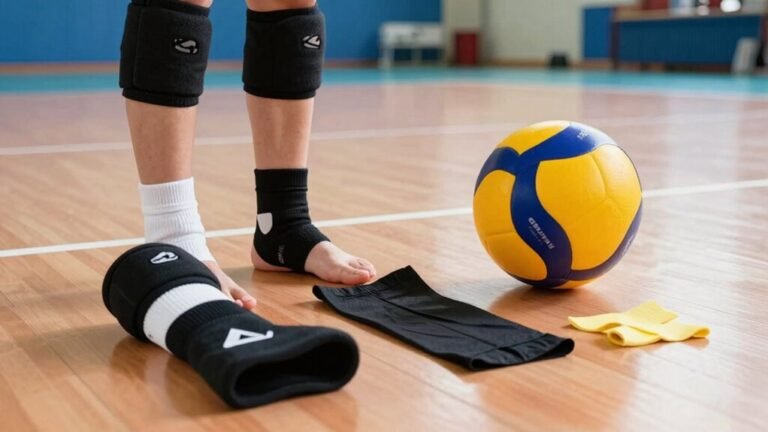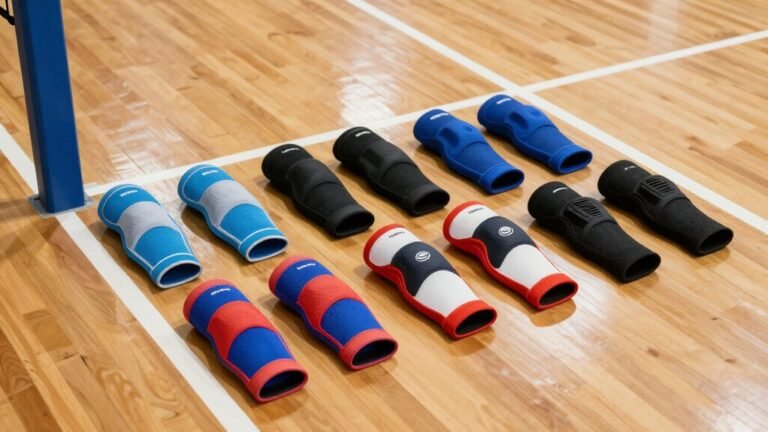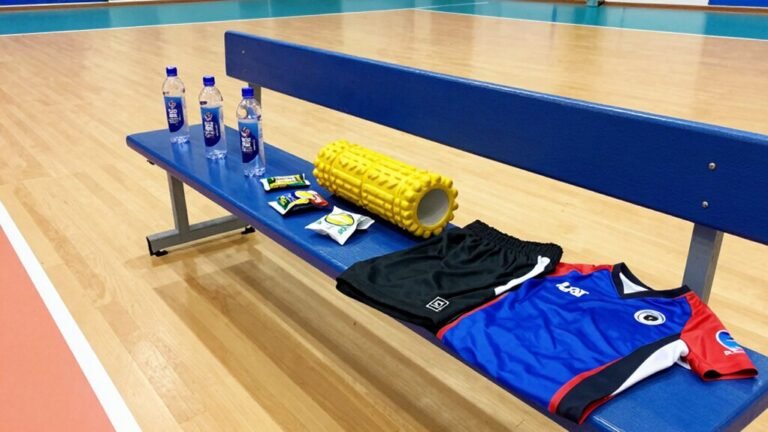



You’re standing at a crossroads that’ll shape your athlete’s volleyball journey for the next several years. The choice between a prestigious club with national rankings and a neighborhood program isn’t just about prestige—it’s about matching your player’s current skill level, your family’s budget, and your long-term goals with the right environment. Before you sign that contract or write a check, you need to understand what each option actually delivers.
Key Takeaways
- Big-name clubs cost $3,000–$4,700+ versus local programs at $1,200–$2,600, plus travel and tournament expenses.
- Elite clubs require 15–20+ hours weekly over 11 months; local programs need 8–12 hours across 6–8 months.
- Big-name clubs provide 3.2 NCAA coach interactions annually versus 0.8 at local programs, improving recruitment visibility.
- Local programs offer more playing time and position rotation, supporting well-rounded skill development for younger athletes.
- Elite clubs excel at national exposure for advanced players; local programs emphasize affordable regional competition and fundamentals.
Understanding the Financial Investment Required for Each Option
When you’re sizing up volleyball club options, the price differences can catch you off guard. Big-name clubs typically charge $3,000-$4,700+ per season, while local programs run $1,200-$2,600 for similar age groups. Membership fees represent just the starting point—you’ll face additional costs like travel ($450-$900), equipment upgrades ($300-$600), and tournament fees when teams advance to nationals ($500-$800).
Budget planning becomes essential when these expenses stack up. Metropolitan clubs charge 20-40% more than rural counterparts, and U15+ teams cost 15-25% extra compared to younger divisions. Most clubs offer payment plans with $350-$1,000 deposits and monthly installments. Some programs provide scholarship options or 5-10% single-payment discounts to ease the financial burden. Beyond tournament fees, families should account for transportation, accommodation, and meals that add up quickly during out-of-town competitions.


NEW VOLLEYBALL TYPE-INDOOR BALL: Are you getting sick of the outside balls in the house? Is your boys or girls sad for sucking at home in rainy days? Any volleyball lover...
Time Commitment and Schedule Demands for Players and Families
Beyond the dollars and cents, volleyball clubs demand something equally valuable from your family: time. The year round commitment varies markedly between big-name and local programs, directly impacting family scheduling.
| Commitment Type | Elite Clubs | Local Programs |
|---|---|---|
| Season Length | 11 months annually | 6-8 months typically |
| Weekly Hours | 15-20+ hours | 8-12 hours |
| Weekend Tournaments | 2-3 per month | 1-2 per month |
| Travel Distance | Regional/national events | Primarily local competitions |
Elite clubs typically expect nearly year round commitment with only brief holiday breaks. Your athlete will invest 15-20 hours weekly in practices and matches. Local programs often follow traditional seasonal schedules, allowing time for other activities and reducing family travel demands markedly.
Consider that collegiate volleyball players spend approximately 40 hours per week solely on volleyball during their season. The demanding schedule your club athlete maintains now will only intensify at higher competitive levels, making it important to assess whether early specialization truly serves your family’s long-term goals.
Coaching Expertise and Professional Development Standards
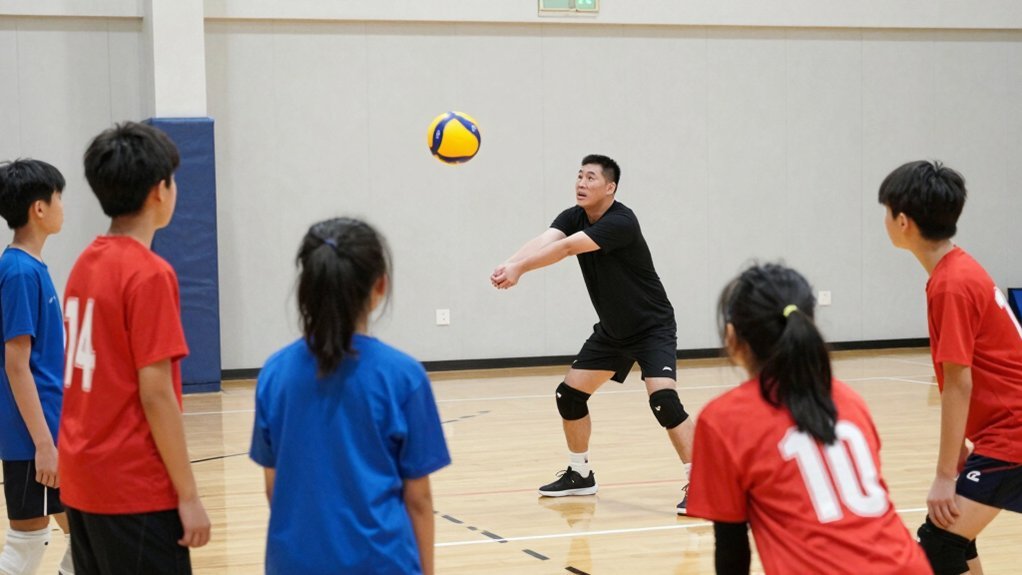
Your child’s development depends primarily on the coach who’ll guide them through thousands of practice hours. When evaluating programs, examine coach credibility through verifiable achievements rather than reputation alone. Tournament success—like 14+ championship titles—provides measurable proof of coaching competence.
Big-name clubs often employ coaches with NCAA Division I experience and formal certifications through Canada’s National Coaching Certification Program. However, local programs can deliver equally effective training when coaches demonstrate process coaching methods, focusing on root cause analysis of errors rather than just outcomes.
Ask about continuing education commitments and adherence to Long-Term Athlete Development guidelines. The best coaches allocate 90% of practice time to technical and tactical skill development, regardless of club size. Experience matters, but coaching excellence appears across all tenure levels. Consider whether the program allows parents in the gym, as this transparency often signals a coach’s confidence in their teaching methods.

Competition Levels and Tournament Exposure Opportunities
While coaching quality shapes daily development, tournament competition determines how your athlete tests those skills against regional and national talent pools.
Big-name clubs typically compete in USA Volleyball-sanctioned events nationwide, accumulating national ranking points through elite competitions. These programs attend tournaments drawing 2,500 to 5,000 athletes, maximizing tournament visibility for college recruiters. Your athlete gains competitive diversity facing opponents from multiple regions and skill levels.
Local programs often focus on regional competitions, providing solid experience at lower costs. However, 48.9% of junior clubs now maintain multiple affiliations to access broader tournament opportunities. Consider that six weekend volleyball events are projected for regions like Northwest Arkansas in 2024 alone. Tournament growth faces constraints from the shortage of regional referees, which can impact event quality and availability. Evaluate each club’s tournament schedule against your recruitment timeline and budget constraints before committing.
Travel Expectations and Geographic Reach of Competition
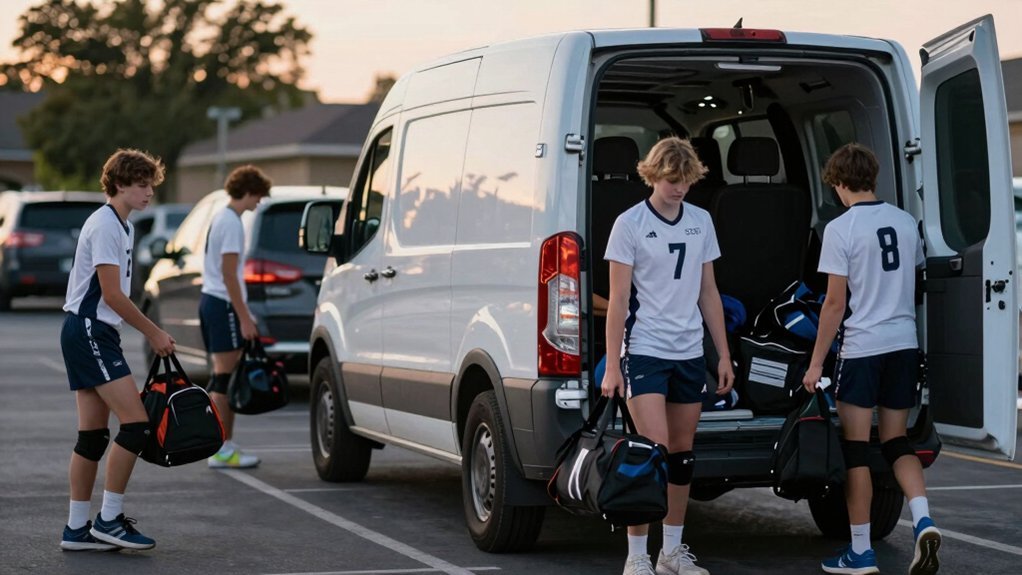
Tournament schedules reveal only part of your club commitment—the geographic reach of competition directly impacts your family’s time and financial resources throughout the season. Elite programs compete nationally, requiring weekend trips across multiple states for Open Division tournaments. You’ll face consistent overnight supervision requirements and hotel costs that add materially to base fees.
Regional teams like K2 Volleyball limit travel to their immediate area, participating in approximately five tournaments per session. This geographic restraint enables practical solutions like carpooling arrangements that reduce your time investment. Virginia Elite coordinates simultaneous practice times specifically to facilitate ride-sharing among families.
Local programs typically restrict competition to state or nearby-state events, eliminating most overnight stays while maintaining competitive opportunities within reasonable driving distance. Local teams practice and travel far less than elite teams, which reduces the weekly time commitment for families balancing multiple activities or work schedules.

Skill Development Pathways and Training Intensity
Beyond tournament schedules and travel commitments, the actual training methodology distinguishes how effectively your athlete develops fundamental skills. Big-name clubs typically implement structured progression models—starting with 2v2 drills to build reading skills, advancing to 4v4 for defensive responsibility, then 6v6 full-court play.
Quality programs allocate 60% of early-season practice to game-like scenarios versus 40% blocked drills, shifting to 80% game-based training by season’s end. However, foundational variety matters markedly. Players under 14 shouldn’t get locked into positions based solely on height or single weaknesses.
Strong programs prioritize individualized progression, ensuring all athletes develop complete skill sets before specialization occurs. Smaller player numbers in early drills increase ball contact frequency, keeping athletes engaged rather than standing idle during blocked training. Look for clubs integrating 10-15 minutes of on-court strength work twice weekly and offering year-round speed training, not just seasonal skill sessions.
College Recruiting Support and Athletic Advancement Opportunities

Your athlete’s skill progression matters immensely, but effective training only opens doors—it doesn’t guarantee college coaches will notice. Here’s where club selection dramatically impacts recruitment outcomes:
- Tournament Exposure: Elite national clubs facilitate 3.2 verified NCAA coach interactions per athlete annually versus 0.8 at local programs, with 92% of Division I coaches prioritizing national championship scouting.
- College Networking: Powerhouse clubs produce 87% of AVCA Player of Year watch list athletes, while their coaches submit 68% of verified evaluations directly to college programs.
- Personalized Mentoring: Small program athletes require 37% more highlight footage submissions to achieve comparable evaluation rates. Recognition platforms incorporate recruiting panel input to assess players fairly across different competitive environments.
- Scholarship Access: Top 12 freshmen recruits chiefly emerge from elite circuits, securing offers after standout national performances.
Determining the Right Fit Based on Your Athlete’s Goals and Experience Level
While college recruitment statistics favor big-name clubs, choosing the right program starts with honestly evaluating where your athlete stands today and what they realistically need to improve.
For athletes 14 and younger, prioritize early inclusive programs that emphasize enjoyment focused development over winning. Small local clubs typically offer position rotation, allowing your daughter to build well-rounded skills before specializing. This approach supports long term athletic potential—remember, small players can experience growth spurts, and tall athletes can develop coordination for defense and passing.
If your athlete already demonstrates elite-level skills and specifically wants exposure to Division I recruiters, big-name clubs provide that pathway. However, if she’s still developing fundamentally or exploring different positions, local programs often deliver more playing time, diverse skill training, and appropriate competition levels for sustainable growth. Some clubs now offer holistic player development programs that include nutrition and mental training alongside technical volleyball skills.
Frequently Asked Questions
Recent Posts

Heavy Weight Volleyball Ball

7 Best Resistance Bands for Volleyball

ASICS Women’s Netburner Ballistic FF 4 Volleyball Shoes
Can My Child Switch From a Local Program to a Club Mid-Season?
Yes, your child can switch mid-season, but it requires proper authorization. A midseason transfer isn’t automatic—you’ll need coach approval from the current club director, who must sign an official release form.
Regional policies vary, so check your USA Volleyball region’s specific deadlines and requirements. Without proper authorization, your child could face eligibility sanctions and lose playing privileges at both clubs.
Do Big-Name Clubs Offer Financial Aid or Payment Plans for Families?
Yes, many big-name clubs offer scholarship opportunities and sliding scales based on financial need. Legacy VBC and LOVB Foundation provide need-based aid, while some clubs like San Diego/Seaside offer work-for-credit programs where you’ll earn fee reductions through service hours.
You’ll typically need tax records and proof of income, with strict deadlines—Legacy VBC requires applications by November 10th. External partnerships can also provide around $300 per family annually.
What Age Should My Child Start With a Big-Name Club?
Your child should typically join a big-name club around 13U or 14U when they’ve established fundamental skills and show serious competitive interest.
At this age readiness level, players benefit most from advanced training resources these programs offer. Consider coach consistency carefully—larger clubs sometimes rotate coaches between teams.
If your child shows exceptional talent earlier, some big-name clubs accept 12U players, but local programs often provide better individual attention for younger athletes still developing basic techniques.
Are There Liability Differences Between Club and Local Program Participation?
Yes, there are significant liability differences. Big-name clubs typically carry all-encompassing insurance coverage with higher limits and require detailed waivers covering sanctioned events and travel. They follow USAV’s standardized protocols and maintain formal legal structures.
Local programs often operate under basic municipal policies with simpler waivers and limited coverage scope. You’ll notice club waivers address more scenarios, while recreational programs may have minimal documentation requirements and less protection.
How Do Teammates’ Skill Levels Compare Between Clubs and Local Programs?
Your teammates at big-name clubs typically perform at BB, A, or AA levels with 70-80% skill consistency, while local programs feature D, C, or B players executing basics around 50-60% of the time.
Club teammates receive advanced instruction in position-specific techniques and complex strategies. You’ll face higher performance pressure at clubs since you’re competing with regional all-stars, whereas local programs offer more relaxed development environments with neighborhood players.
Bottom Line
You’ll make the best choice by honestly evaluating your athlete’s current skill level, your family’s budget, and your long-term goals. Don’t let club prestige overshadow practical fit. A motivated player can develop effectively in either setting when the program matches their needs. Visit facilities, talk with coaches and parents, and watch practices before committing. Trust your instincts about where your athlete will thrive.