

You probably think you’re being supportive when you shout instructions from the sideline. Here’s what’s actually happening: your child hears conflicting directions from you and their coach, freezes mid-play, and scans the crowd to see who’s watching their mistake. Meanwhile, the ref notices your commentary about calls you couldn’t possibly see from forty feet away. Your intentions don’t matter when the impact tells a different story.
Key Takeaways
- Avoid shouting technical instructions during play; constant coaching creates confusion, undermines confidence, and conflicts with what actual coaches teach.
- Position yourself away from referees and coaches, limiting your comments to positive encouragement rather than criticism or tactical advice.
- Focus praise on effort and improvement rather than outcomes, helping your child develop intrinsic motivation instead of external validation dependency.
- Recognize that referees face restricted sightlines and split-second decisions; what seems obvious from the stands often looks different on field.
- Arrive early with a positive attitude and establish supportive rituals that create calm, encouraging presence rather than pressure-filled expectations.
The Reality Check: What Parents Actually Do vs. What They Think They Do
When it comes to sideline behavior, most parents believe they’re doing a great job supporting their young athletes. The numbers tell a different story. While 79% of parents rate their sideline conduct favorably, only 48% of their actual behaviors register as mostly positive. These perception gaps reveal notable behavior blindspots that affect your relationship with your athlete.
Your child notices more than you realize. Boys report receiving markedly more technical coaching from fathers than fathers acknowledge giving (p = 0.035). Similarly, girls perceive higher tactical intervention from mothers than mothers recognize (p = 0.005). This disconnect extends to expectations too—boys experience considerably more pressure from fathers than fathers report applying (p < 0.001). Understanding these gaps helps you adjust your approach and truly support your young athlete.
The impact of getting it wrong extends beyond mere embarrassment. Poor parent behaviors can reduce player confidence and damage emotional and physiological wellbeing. When parents engage in overly critical commentary or yell abuse from the sidelines, they model behaviors their children may replicate in their own interactions with teammates and opponents.

Why Your Sideline Coaching Is Backfiring (Even When You Mean Well)
These perception gaps don’t just create awkward moments—they actively harm your child’s performance and love of the game. When you shout technical instructions during play, you’re creating what experts call overcoaching fatigue. Your athlete receives conflicting messages from you and their official coach, leading to confusion during critical moments. According to the Yerkes-Dodson Law, performance actually drops off the cliff when stress increases, even if your child initially complies with your directions.
Your misguided praise compounds the problem. Focusing solely on outcomes rather than effort teaches athletes to doubt their abilities. Research shows 80% of amateur athletes regularly experience these unhelpful sideline behaviors. This constant technical advice during play represents one of the most common well-intentioned behaviors that undermines athlete confidence.
The result? Many quit sports prematurely, missing lifelong benefits because constant instruction destroys their intrinsic motivation and enjoyment.

40 DEFENSIVE GAME SCENARIOS – Youth baseball/softball coaching playbook covering cutoffs, relays, bunt defense, popup priority & double cuts. Players know exactly where to be in every situation.

Description|Table of Contents|Author|Excerpts

Dual design - Show your brilliant coaching with our dual-sided magnetic soccer coaching board. Front: Full-field tactical layout for game strategy visualization; back: Enlarged half-field for detailed set-piece planning. Simply flip the soccer board to meet your different needs and clearly show your tactical arrangements.
The Referee Perspective: What Officials See That You Don’t
From your vantage point in the stands, that missed call seems obvious—but the referee standing fifteen yards away saw something entirely different.
What looks clear-cut from your seat often tells an incomplete story from the official’s angle on the field.
Referees face restricted sightlines as players constantly move and block their view. During a corner kick, six players might obscure the exact moment of contact. Weather conditions blur field markings. The official must track the ball, multiple players, and potential fouls simultaneously while sprinting to maintain proper positioning.
These split-second judgments happen without video replay. A referee processes information in real time, balancing rule enforcement with player safety and match flow. They’re applying contextual knowledge you can’t see from the sidelines—previous interactions between players, escalating tensions, or developmental considerations for youth matches. Many of these officials are ages 13–18, making the verbal criticism from adults in the stands particularly inappropriate and harmful.
Understanding their perspective builds empathy and improves everyone’s experience.

How Your Face and Words Are Sabotaging Your Child’s Performance
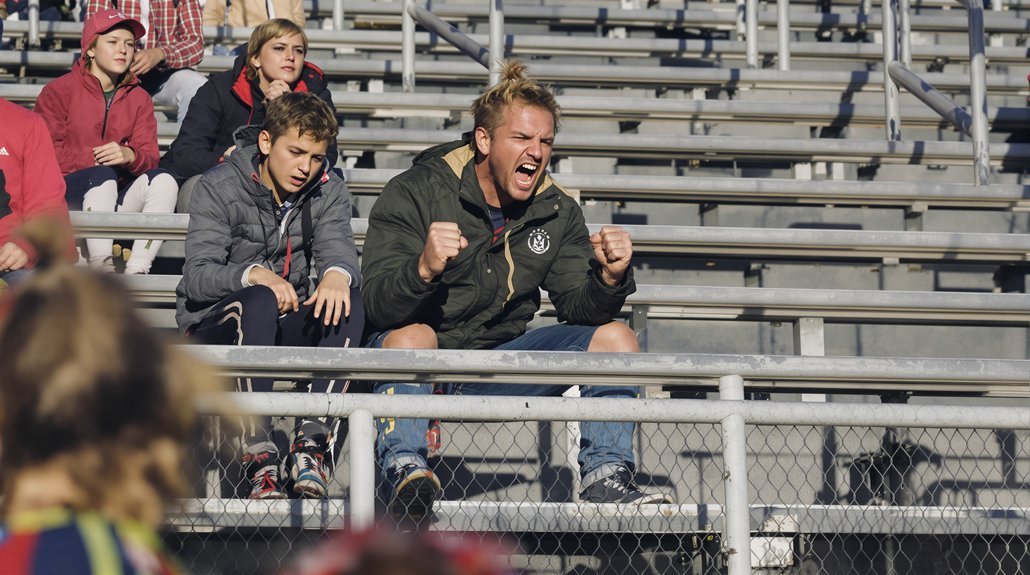
You might believe you’re helping when you shout “Pass it!” from the sidelines, but your well-intentioned commands are actually undermining your child’s performance. Research shows directive verbal instructions like “watch the ball” reduce perceived competence in young athletes.
Your verbal tone and facial expressions communicate more than you realize—an Australian study of 67 athletes found youth frequently identify parental behaviors parents don’t consciously recognize. When you offer conditional praise only after good plays, you’re teaching your child to prioritize external validation over skill mastery.
Even your nonverbal cues matter: children observing parental frustration show elevated physiological stress responses during play. Your negative expressions correlate directly with reduced confidence and increased anxiety affecting athletic decision-making. Parents who display annoyance from the sidelines contribute to increased aggression and anger in their young athletes during games.

35 Games Basketball Scorebook: perfect scorebook for scorekeepers wanting to track basketball stats throughout the season - track up to 35 games per score book for Adult, Youth, High School, Middle School, Little League basketball teams.

Durable Hard Cover Scorebook: The ultimate hard cover protective basketball scorebook. Durable like a hardback book, spiral bound for side-by-side scoring to score both the home and away team without having to flip pages. Score the team as well as the individual player throughout the game. Look for our signature blue scorebooks - your go-to scorekeeping companion for the entire season.
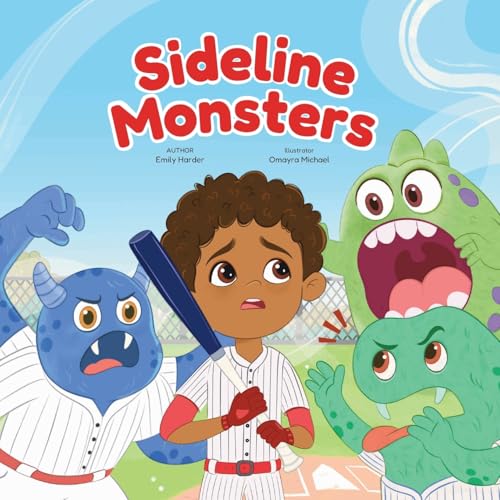
The Simple Sideline Habits That Keep Kids Playing and Loving Sports
Remarkably, the solution to sideline chaos doesn’t require complex interventions or wholesale personality changes. You can make a measurable difference by adopting simple sideline routines that directly impact your child’s experience. Teams with established positive sideline protocols see 29% lower dropout rates among 10-14 year olds, and organizations implementing mandatory parent education sessions reduce spectator-related incidents by 27%.
Start with positive rituals: arrive early to greet other families calmly, position yourself away from coaches and referees, and limit your comments to encouragement. Programs with formal spectator codes of conduct retain 31% more participants across multiple seasons. When you establish these straightforward habits, you’re joining the 48% of parents who create chiefly positive environments where kids actually want to keep playing. Yet despite this awareness, roughly one third of parents have never discussed good sportsmanship with their child, missing a fundamental opportunity to set expectations before problems arise.




Frequently Asked Questions
What Qualifications Should Youth Coaches Have Before Leading Teams?
You should verify that coaches complete mandatory safety training, including CPR, first aid, and concussion protocols required by law in California.
Coaching certification through organizations like NFHS demonstrates competency in sport-specific skills and teaching methods.
Look for training in child development and age-appropriate motivation techniques, as research shows these reduce athlete dropout from 26% to just 5%.
Background checks and mandatory reporter training are also legally required.
How Do Gender Differences Affect Perception of Sideline Behavior Problems?
Gendered expectations shape how you judge sideline behavior differently for boys’ and girls’ games. You’re likely more tolerant of aggressive yelling at boys’ sporting events while expecting quieter decorum at girls’ games.
Emotional expression gets policed differently too—coaches and parents showing intense emotion at boys’ games seem passionate, while similar behavior at girls’ games appears inappropriate or overly aggressive. These double standards reflect broader stereotypes about athleticism and gender roles.
Why Do so Many Referees Quit Within Their First Three Years?
You’re witnessing high turnover because new referees face relentless verbal abuse from parents, coaches, and players.
In fact, 80% quit within three years due to poor sportsmanship alone.
The combination of hateful comments, low pay, and stress burnout creates an unbearable environment.
When your sideline behavior turns toxic, you’re directly contributing to the referee shortage that’s plagued 32 states, forcing remaining officials to work understaffed games.
Recent Posts
What Training Methods Do Untrained Coaches Commonly Use That Are Ineffective?
You’ll often see untrained coaches fall into over coaching drills, constantly stopping activities to correct every minor error rather than letting players learn through repetition.
They also misuse positive reinforcement by praising effort without addressing technique flaws, or worse, using sarcasm disguised as encouragement.
Many implement punishment-based conditioning and apply one-size-fits-all methods that ignore each player’s developmental stage and individual needs.
How Long Does It Take for Parents to Adjust Sideline Goals?
You’ll need at least 15 months for complete emotional adaptation to your role as a youth sport parent.
Most goal adjustments happen within the first year as you experience the reality of sideline culture.
Your expectation resetting occurs gradually—those initial idealized views shift when you observe actual games and interact with other parents.
Don’t expect immediate alignment between your stated goals and actual behavior.
This socialization process is progressive, not instant.
Bottom Line
Your sideline behavior shapes whether your child plays through high school or quits by age thirteen. Position yourself away from coaches, keep comments positive and effort-focused, and save technical feedback for the car ride home. When you model respect for officials and celebrate enjoyment over outcomes, you’re teaching life skills that matter far more than any single game. Your restraint today builds their resilience tomorrow.