


Tournament volleyball tests more than your skills on the court—it demands smart planning for a day that might stretch eight to twelve hours. You’ll face multiple matches with unpredictable breaks, shifting energy levels, and mounting physical fatigue. The difference between fading in your final game and finishing strong comes down to how well you’ve prepared your body and mind. Here’s what separates players who merely survive tournament days from those who dominate from first serve to last point.
Key Takeaways
- Eat carbohydrate-rich meals every 60–90 minutes and consume 8–10 grams of carbs per kilogram body weight daily.
- Perform 20–30 minutes of active recovery at 50–60% max heart rate between matches to clear metabolites.
- Use brief mental routines—controlled breathing, visualization, and one-word cues—to maintain focus and reduce cognitive overload.
- Rehydrate with electrolyte fluids every 15–20 minutes and eat carb-plus-protein snacks within 60 minutes post-match.
- Secure comfortable seating, minimize phone use, and advocate for daylight scheduling to preserve energy throughout the day.
Build Your Physical Foundation for Extended Play
Building a physical foundation for long tournament days isn’t about cramming hard workouts into the week before competition. You need to start months in advance because meaningful neuromuscular and metabolic adaptations require weeks to develop.
Begin with circuit-based strength work and high-volume, low-intensity running over 1–6 weeks, progressing load slowly and including unloading weeks to prevent accumulated fatigue. Add unilateral exercises like single-leg squats and split squats to correct imbalances.
Include a 4–8 week hypertrophy phase to raise muscular endurance so your skills don’t fade during late tournament matches.
Use smart session planning: start manageable, increase volume and intensity gradually, then schedule regular recovery weeks. This approach guarantees you peak during tournament windows without excess fatigue compromising your performance. You should also include age-appropriate strength basics such as progressive overload and technique focus to ensure safe long-term development age-appropriate strength.

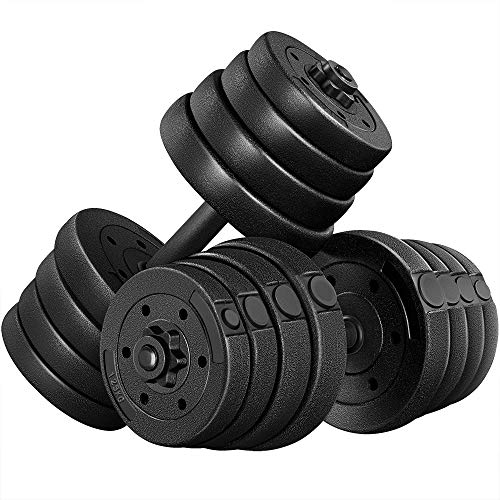
Non-Slip Knurled Handles: This dumbbell set features a hard plastic handle with diamond knurled texture on each bar to increase friction to prevent slipping, ensuring the safety and improving coordination of your every workout

CONSTRUCTION – Built with a tough TPR coating and filled with ironsand, ensuring accurate weight distribution and preventing any leakage.
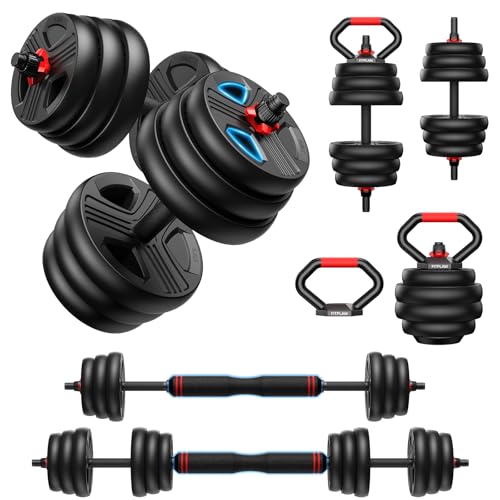
【5 in 1 Multifunctional Dumbbell Set】This versatile dumbbell set quickly converts into dumbbells, barbells, kettlebells, and push-up stands, making it suitable for a range of exercises, including bench presses, squats, and more. Enjoy multifaceted fitness!
Fuel Your Body for Peak Performance
Your training sets the stage, but nutrition determines whether you’ll finish strong or fade during back-to-back matches.
Eat a substantial carbohydrate-focused meal 2–4 hours before your first serve—think whole-grain pasta or vegetable pizza with salad—to top up glycogen stores.
Between matches, consume easily digestible portable carbs every 60–90 minutes: fruit smoothies, white-bread sandwiches, or fruit salad work well.
During matches exceeding 90 minutes, sip electrolyte fluids every 15–20 minutes and target 20–60 g carbohydrates per hour.
Aim for 8–10 g carbohydrates per kilogram of body weight daily on tournament days.
After your final match, consume a recovery meal with roughly 20–30 g protein within 30–60 minutes to restore glycogen and support muscle repair.
Stay hydrated throughout the day and consider scheduled fluid breaks to maintain electrolyte balance and performance.

ELECTROLYTE REPLACEMENT - Replaces the electrolytes lost in sweat with a balanced profile of sodium, potassium, and glucose for fast, effective hydration during training and endurance activity

Refresh and replenish: Ultima electrolytes powder packets deliver balanced daily hydration with 6 key electrolytes, vitamin C, zinc and delicious plant based flavors; this Ultima Variety pack provides enhanced hydration with no sugar, calories or carbs

When you sweat, you lose more than water. Replace what has been lost with Gatorade
Recovery Strategies Between Sessions
Between matches, how you recover often matters more than how hard you trained in the weeks before.
Start with 20–30 minutes of active recovery—light cycling or walking at 50–60% max heart rate—to clear metabolites and reduce stiffness.
Active recovery at 50–60% max heart rate clears metabolites more effectively than complete rest between competitive matches.
Rehydrate with electrolyte fluids (two to three gulps every 15–20 minutes) and eat a carbohydrate-plus-protein snack within 30–60 minutes post-match, like a whey protein shake with a banana.
Incorporate mindfulness practices such as 60-second diaphragmatic breathing breaks and 3–6 minute visualization sessions to restore mental clarity.
Replace long static stretching with 5–10 minute dynamic mobility sets to maintain reaction time.
Between tournament blocks, schedule unloading weeks.
During long event days, find shade and comfortable seating while limiting phone stimulation to conserve energy for later matches.
Prioritize injury prevention by maintaining consistent warm-ups and recovery routines to reduce the risk of overuse and acute injuries.


INSTANT HYDRATION ELECTROLYTES POWDER PACKETS: IQMIX rapidly rehydrates while boosting energy, focus, and mental clarity. Tastes better than water and traditional electrolyte drinks. Designed to keep you sharp, hydrated, relieve stress, and perform at your best anytime

Balanced Electrolyte Blend for Rapid Hydration & Vital Function Support: This electrolyte powder delivers a precise mix of 500mg sodium, 250mg potassium, and 25mg magnesium (from magnesium citrate) — key electrolytes that work together to maintain fluid balance, support normal nerve conduction, muscle contraction, and healthy heart rhythm. It effectively replenishes electrolytes lost through sweat during workouts, hot weather, or daily activity, helping prevent fatigue and electrolyte imbalance.

ELECTROLYTE REPLACEMENT - Replaces the electrolytes lost in sweat with a balanced profile of sodium, potassium, and glucose for fast, effective hydration during training and endurance activity
Sharpen Mental Clarity Through Focused Preparation
When fatigue sets in during hour six of a tournament, your legs aren’t the only thing that weakens—mental sharpness fades too. Research shows that brief, structured mental routines restore focus without adding cognitive overload.
Three essential preparation techniques:
- Morning activation – Start each tournament day with 2–3 minutes of diaphragmatic breathing while visualizing specific moments like serve receive or momentum plays.
- Between-round resets – Use a consistent 15-second routine: controlled breath, shoulder roll, and one-word cue tied to your team mission. This restores attention within 10 seconds.
- Pre-match anchors – Perform a 30-second personal warm-up including your one-word theme, court-feel imagery, and a physical cue like touching your wristband to signal calm readiness.
Keep routines age-appropriate and brief so you’ll actually execute them consistently. Research on supporting young athletes shows that brief, consistent mental skills training can improve focus and resilience, especially when tailored to developmental needs and mental wellness.
Optimize Your Playing Environment
Beyond physical training and mental prep, the spaces where you rest and compete directly affect your tournament performance. Start by addressing the venue’s temperature—68–72°F supports cognitive function and prevents equipment overheating during marathon match days.
Your lighting setup matters too: adjustable LED lamps and anti-glare screens reduce eye strain, keeping your visual tracking sharp across multiple games.
Combat distracting gym noise with ambient soundscapes or earplugs, preserving essential team communication while lowering stress.
During bench time, use a foldable stadium chair with back support to reduce physical strain and enable brief recovery periods.
Finally, advocate for daylight scheduling and regional events to minimize travel disruption. Build in short, scheduled breaks between matches to balance focus and energy throughout the day.
Parents should also plan logistics around tournament schedules to know when to arrive, where to park, and how long to expect the day to be.

Frequently Asked Questions
What Is the 8 Second Rule in Volleyball?
The 8-second rule requires your server to strike the ball within 8 seconds of the referee’s whistle. If you exceed this limit, you’ll lose the rally and the point.
This rule maintains match tempo and prevents delays during service rotation.
To avoid violations, prepare your next server while the previous rally’s ending, establish a quick pre-serve routine, and stay alert to the referee’s count. Consistent preparation keeps your team moving smoothly.
What to Do the Night Before a Volleyball Tournament?
Focus on pre-match nutrition by eating a carbohydrate-rich dinner 2–4 hours before bed—think pasta with lean protein or vegetable pizza.
Hydrate with 500–750 ml of water through the evening, then pack your game bag with snacks, electrolyte drinks, and spare gear.
Spend 10–15 minutes on diaphragmatic breathing and visualize key plays for 3–6 minutes.
Finally, limit screens 20–30 minutes before bed and aim for 8–9 hours of quality sleep.
What Is Rule 10 in Volleyball?
Rule 10 covers your team’s playing kit—uniforms, numbers, and equipment.
You’ll need identical jerseys with visible numbers (1–99) on front and back, while your libero wears a contrasting color.
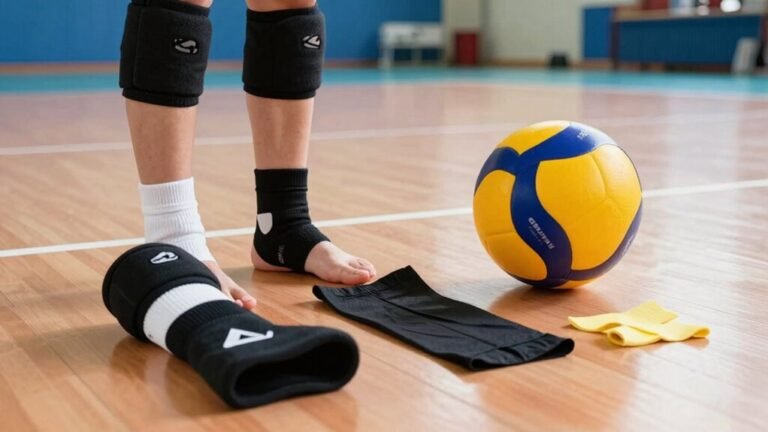
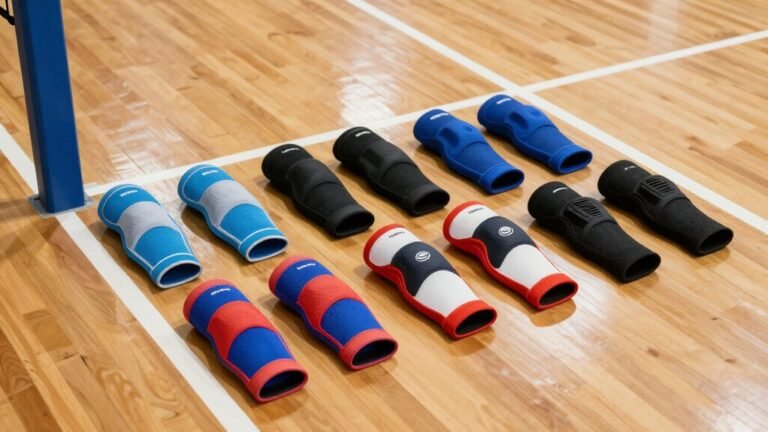
The rule prohibits jewelry that could cause injuries and requires safe protective gear like knee pads.
Before you serve, check your footwork and equipment comply with Rule 10, or referees may prevent you from playing until you correct violations.
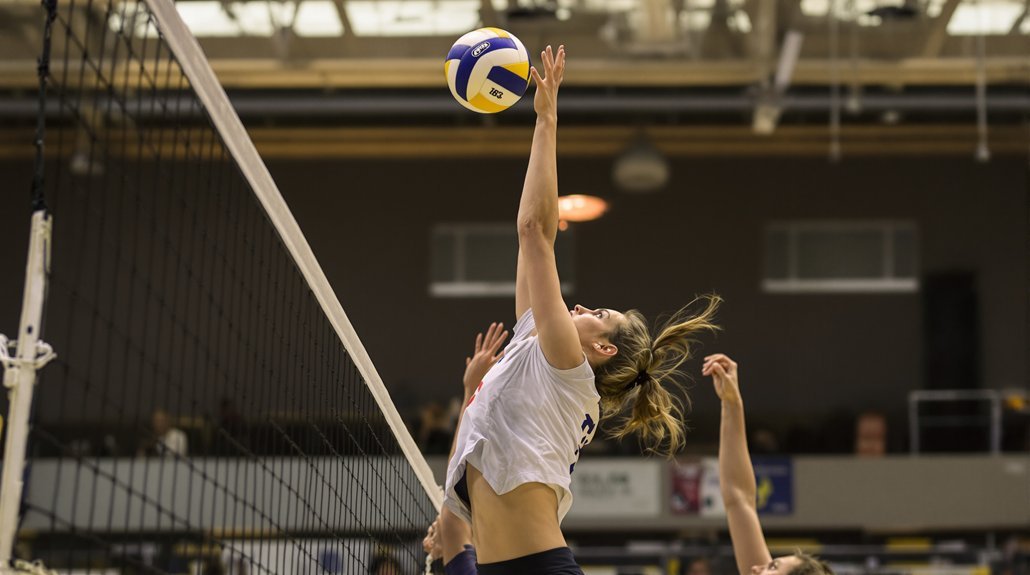
How Long Do Volleyball Tournaments Usually Take?
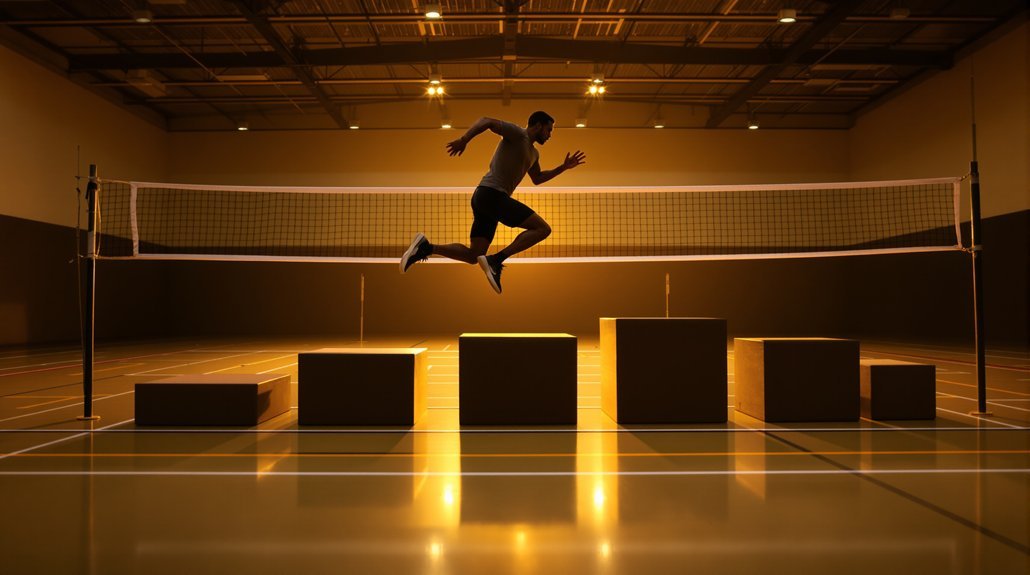
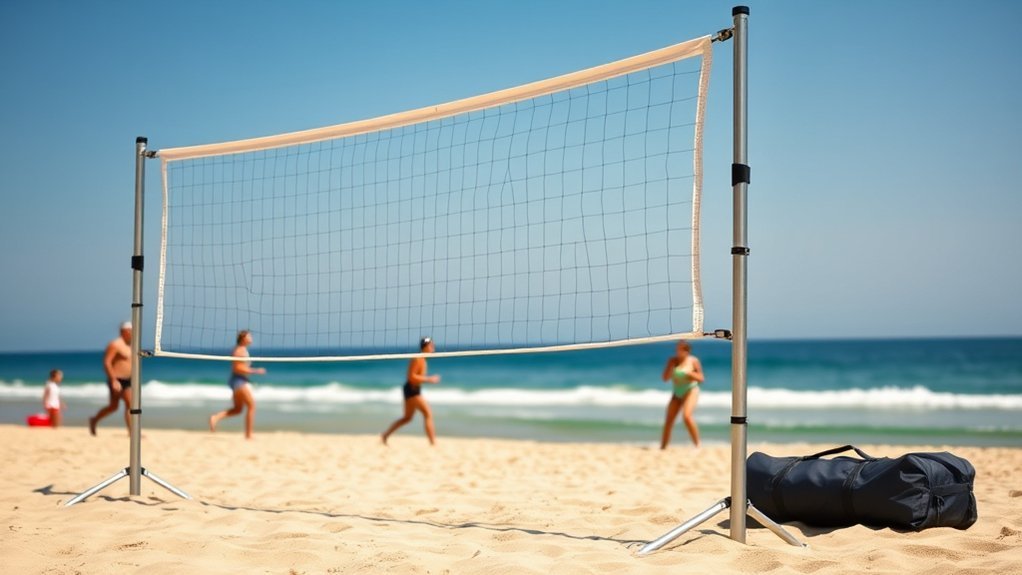
Tournament lengths vary by level and format, but you’ll typically commit 4–8 hours for single-day youth events.
Most teams play 2–4 matches with wait times of 60–180 minutes between games.
When you factor in early arrival for warm-ups (45–90 minutes before first match), actual play time, and postgame activities, expect your total commitment—including travel—to span 6–12 hours from start to finish.
Bottom Line
Long tournament days test every athlete, but you’re now equipped with proven strategies to excel from first serve to final point. You’ve learned to fuel with carbs every 60–90 minutes, recover actively between matches, and reset mentally in under ten minutes. You’ve discovered how proper hydration, smart environmental choices, and consistent routines protect your performance. Apply these methods at your next tournament, and you’ll outlast the competition when it matters most.