
You’ll want four solid picks for volleyball: Physix Gear 20–30 mmHg calf socks for circulation, Under Armour padded elbow sleeves for impact without bulk, Zensah full-leg compression sleeves that cover thigh to calf for support, and UPF 50+ sun-protective arm sleeves that stay put and stay cool. Choose breathable fabrics, consider graduated compression, and pick the right size to prevent migration. Compare comfort, durability, and price—you’ll see how they fit your game once you weigh these options.
Key Takeaways
- Physix Gear Compression Socks 20–30 mmHg provide steady leg support and improved venous return during long volleyball matches.
- Under Armour Volleyball Padded Elbow Sleeves offer protective padding with compression while preserving full range of motion.
- Zensah Full Leg Compression Sleeve delivers thigh-to-calf coverage with breathable fabric and silicone grip for a secure fit.
- Compression Arm Sleeves with UV Sun Protection provide arm support, UPF 50+ protection, and moisture-wicking, non-slip design.
| Physix Gear Compression Socks 20-30 mmHg Men Women | 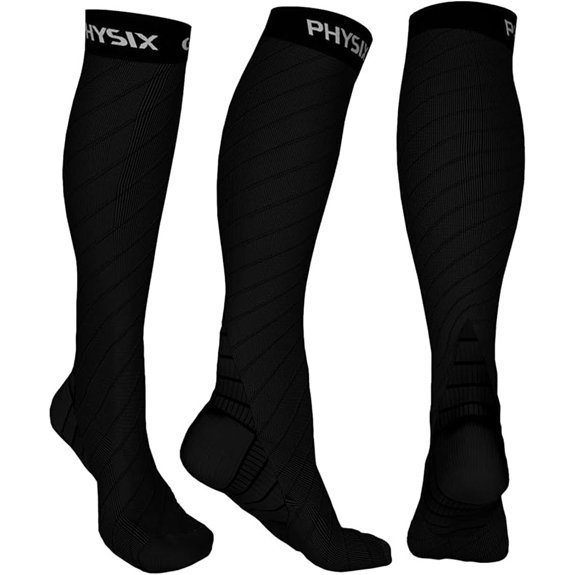 | Best All-Around | Compression: 20–30 mmHg | Gender / Unisex suitability: Unisex | Athletic use: Runners, athletes, travelers | VIEW LATEST PRICE | Read Our Analysis |
| Under Armour Volleyball Padded Elbow Sleeves | 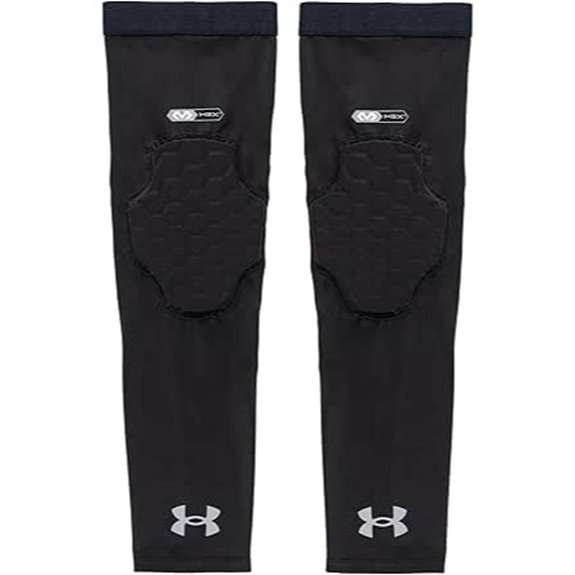 | Volleyball Protection | Compression: Compression sleeve (general) | Gender / Unisex suitability: Unspecified (designed for athletes) | Athletic use: Volleyball athletes (training/matches) | VIEW LATEST PRICE | Read Our Analysis |
| Zensah Full Leg Compression Sleeve – Long Length | 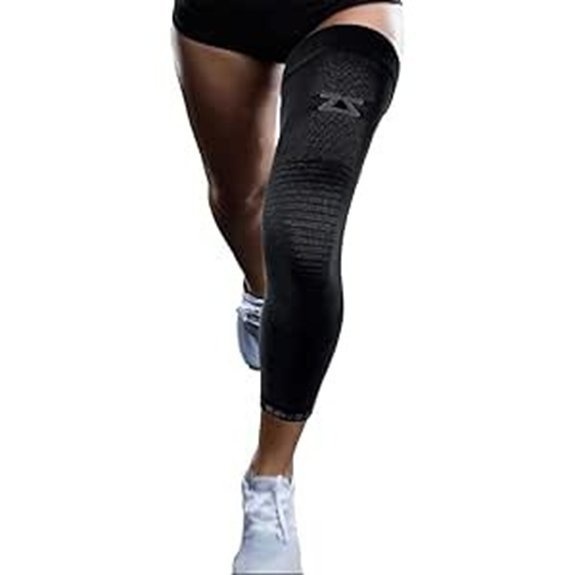 | Full-Leg Support | Compression: Full leg compression sleeve | Gender / Unisex suitability: Men / unisex | Athletic use: Sports (running, basketball, football, etc.) | VIEW LATEST PRICE | Read Our Analysis |
| Compression Arm Sleeves with UV Sun Protection | 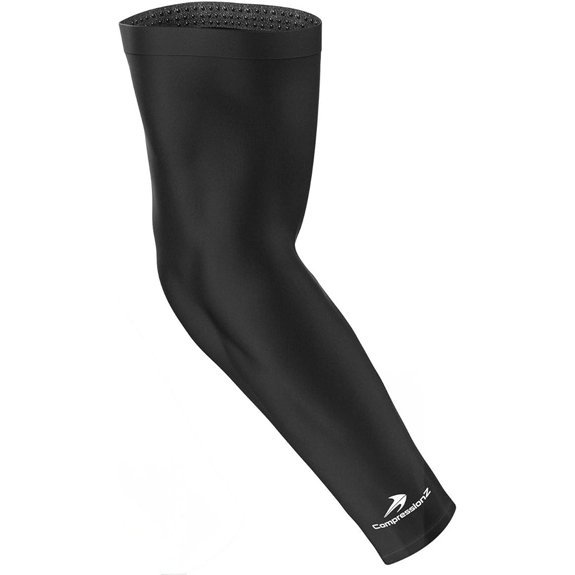 | Sun-Protection Sleeves | Compression: Compression arm sleeve | Gender / Unisex suitability: Men & Women / unisex | Athletic use: Multi-sport / workout and training | VIEW LATEST PRICE | Read Our Analysis |
More Details on Our Top Picks
Physix Gear Compression Socks 20-30 mmHg Men Women
Physix Gear Compression Socks 20–30 mmHg are a strong pick for volleyball players who need steady support during long matches or drills. Unisex for men and women, they suit runners, nurses, travelers, and anyone on their feet all day. With 20–30 mmHg gradient compression, they improve circulation, cut swelling, and reduce fatigue during long drills. They alleviate leg discomfort and shin-splint pain while preventing injuries with a snug fit that targets arches and heels. Durable, available in various styles and sizes, including copper-infused options, they suit work, gym, travel, or flights. Rated among the best, they boost everyday energy.
- Compression:20–30 mmHg
- Gender / Unisex suitability:Unisex
- Athletic use:Runners, athletes, travelers
- Coverage type:Leg/foot (socks)
- Fit/Construction focus:Snug, arch/heel support
- Additional protection or benefit:Improves circulation and reduces fatigue
- Additional Feature:Copper-infused styles
- Additional Feature:Arch-and-heel targeted support
- Additional Feature:Durable materials
Under Armour Volleyball Padded Elbow Sleeves
If you dive for saves or absorb hard spikes, these padded elbow sleeves are a smart pick for volleyball players who want protection without bulk. Under Armour Volleyball Padded Elbow Sleeves use a sew-free construction for a smooth, irritation-free fit and a compression sleeve design for secure support. They allow full range of motion without adding bulk, while the padded elbow area cushions against falls and contact. Built for intense gameplay, they stay protective and comfy through training and matches. Suitable for court play, practice, and drills, they reduce bruising and boost confidence for faster recovery and better grip.
- Compression:Compression sleeve (general)
- Gender / Unisex suitability:Unspecified (designed for athletes)
- Athletic use:Volleyball athletes (training/matches)
- Coverage type:Elbow sleeves
- Fit/Construction focus:Sew-free, secure compression sleeve
- Additional protection or benefit:Padded elbow protection
- Additional Feature:Padded elbow protection
- Additional Feature:Sew-free construction
- Additional Feature:All-day wear comfort
Zensah Full Leg Compression Sleeve – Long Length
With a full-leg design that covers the thigh, knee, and calf, the Zensah Full Leg Compression Sleeve – Long Length is ideal for volleyball players who want steady support from warm-ups through post-match recovery. You get strong, targeted compression that reduces swelling and improves circulation, aiding recovery after tough practices. The sleeve fits the thigh, knee, and shin, and it acts as a full leg sleeve or knee sleeve as needed. Made from breathable nylon with silicone grip, it stays in place during games. Available in black, size small, for unisex use. Durability and comfort support long training days.
- Compression:Full leg compression sleeve
- Gender / Unisex suitability:Men / unisex
- Athletic use:Sports (running, basketball, football, etc.)
- Coverage type:Full leg sleeve (thigh to calf)
- Fit/Construction focus:Ultra-breathable, durable leg sleeve
- Additional protection or benefit:Recovery support and shin splint relief
- Additional Feature:Thigh-to-calf coverage
- Additional Feature:Moisture-wicking fabric
- Additional Feature:Silicone features
Compression Arm Sleeves with UV Sun Protection
For volleyball players who need sun protection and an active, stay-put fit, these Compression Arm Sleeves deliver. Made by CompressionZ, the 85% nylon, 15% spandex fabric feels snug yet breathable, with non-slip technology that keeps them in place during spiking and quick serves. They offer UPF 50+ sun protection and a cooling design that improves circulation, helping reduce swelling and ease elbow pain from tendinitis or arthritis.
Trusted for men, women, and unisex wear, they slip over the forearm comfortably, with an XS size in nude. A single sleeve packs lightweight protection for volleyball, basketball, or daily training sessions.
- Compression:Compression arm sleeve
- Gender / Unisex suitability:Men & Women / unisex
- Athletic use:Multi-sport / workout and training
- Coverage type:Arm sleeves
- Fit/Construction focus:Non-slip, stay-put fit
- Additional protection or benefit:UPF 50+ sun protection and cooling/arm support
- Additional Feature:UPF 50+ sun protection
- Additional Feature:Non-slip stay-put
- Additional Feature:Tattoo-covering option
Factors to Consider When Choosing Compression Gear for Volleyball
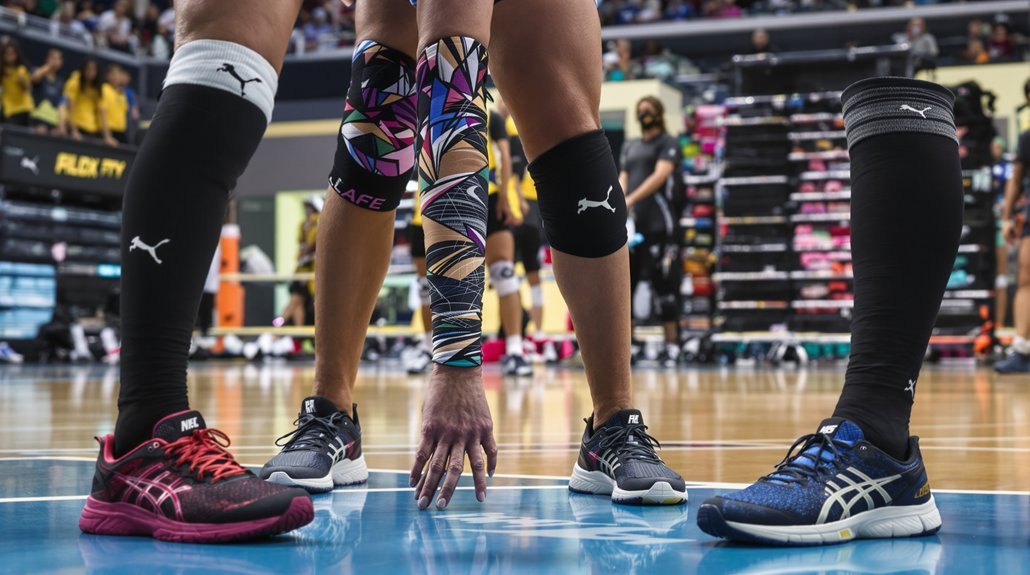
Start with fit and sizing by measuring your arm and checking the chart so sleeves stay up. Choose a compression level around 15–20 mmHg for light support, or 20–30 mmHg for steadier compression. Prioritize breathable fabrics, durable seams, and optional padding, with easy care like machine washing.
Fit and Sizing
Choosing graduated compression that fits your needs helps you move confidently on the court, whether you’re recovering or seeking support. To start, use the manufacturer’s size chart based on limb circumference rather than generic S/M/L labels, and measure at the widest point of the calf and the narrowest point of the ankle for sleeves, or the thigh and biceps for full‑leg or arm sleeves. Check that the garment length matches your target area—knee to mid‑thigh for full‑leg support, or elbows for padding alignment. If you’re between sizes, choose the larger one when long wear or circulation sensitivity is a concern, and re‑check fit after warm‑up when muscles swell.
Prioritize features like reinforced heel or arch, non-slip silicone grippers, and padding alignment to stay put.
Compression Level
Once you’ve got sizing dialed in, the next step is to pick a compression level that fits your play and recovery needs. For sleeves, aim for 15–25 mmHg, and 20–30 mmHg for leg support, balancing mobility with reduced muscle vibration and better proprioception. Higher levels, above 30 mmHg, improve venous return and edema control but can feel restrictive during dives and lateral moves, so they’re usually unnecessary for routine play. Less than 15 mmHg offers light circulation and cooling benefits, yet provides only minimal support for impact protection or recovery. Graduated compression—stronger at the distal limb and lighter proximally—helps after long matches while preserving joint range of motion. Choose based on function: play support (light–moderate) or post‑game recovery (moderate–high). This keeps you balanced consistently.
Material Breathability
If you’re choosing volleyball compression gear, prioritize breathability as a core factor from the start. Choose fabrics with high moisture-wicking performance, like polyester or nylon blends, to move sweat away from skin and reduce chafing during long rallies. Look for mesh or perforated panels and a high air-permeability rating to vent heat around the elbow and forearm where buildup tends to happen. Prioritize lightweight textiles with at least 4-way stretch to keep breathability while you move and maintain consistent compression. Balance the level of compression with airflow—don’t go too tight, since higher compression can limit breathability. Check for quick-dry finishes and antimicrobial treatments that help breathability stay strong after repeated wears. Choose options that fit your squad’s routines and weather without overheating or slowing.
Durability & Comfort
Durability and comfort go hand in hand, especially when you dive for balls on hard courts. Choose materials with a high nylon/spandex ratio and reinforced stitching to withstand repeated dives and abrasion without losing elasticity. Prioritize sew-free or flatlock seam construction and padding only where needed to reduce chafing and maintain comfort during long matches. Look for non-slip features like silicone grippers or elastic cuffs and a secure fit that prevents shifting and extra friction. Evaluate breathability and moisture-wicking performance to keep skin dry and reduce fabric breakdown from sweat and washing. Check claimed wash-cycle durability and fabrics’ weight (denier) or compression retention metrics to make certain sustained support and protective properties over time. For example, aim for fabrics under 200 denier, and tests showing at least 20+ wash cycles with minimal elasticity loss. Choose brands with care labels and warranties.
Protection & Padding
Protection and padding in volleyball sleeves should keep you protected without slowing you down. Choose sleeves with targeted elbow padding made from high-density foam or gel inserts to absorb impact from dives and hard floors without overly restricting elbow flexion. Make sure padding covers the olecranon and extends slightly around the lateral and medial elbow to guard against abrasion during blocks and slides. Balance thickness and coverage: thicker pads offer more shock absorption but can hinder mobility, so opt for moderate-density padding for most games and thicker options for frequent diving or contact training. Look for seamless attachments and contoured shapes to minimize chafing and keep a secure fit through lateral movements. Padding should stay aligned because the sleeve design matters for muscle support and consistency.
Mobility & Range
When you choose compression gear for volleyball, look for a snug but flexible knit that offers about 15–25% stretch recovery so it moves with your joints. Choose low-profile padding and thin seams around the elbow and forearm so you preserve full wrist and elbow extension while still getting impact protection. Look for graduated compression that supports the muscles without over constriction at the muscle bellies, helping rapid contraction during spikes and blocks. Make sure sleeve length and cuff elasticity prevent migration, keeping consistent support without mid-rally adjustments. Opt for breathable, moisture-wicking fabrics that hold elasticity when wet, so your mobility stays intact through long practices. These details help you move freely, defend faster, and keep form under pressure during dives, spikes, and quick shifts.
UV Protection
For outdoor play, look for compression sleeves and leggings with a UPF rating of 30–50+ to block 97–99% of UV radiation during prolonged outdoor play. UV-protective compression fabric helps prevent sunburn on exposed skin areas like forearms and knees while allowing for breathability and moisture-wicking. Darker or tightly knit fabrics typically provide higher UV protection; fabric composition and knit density matter more than just color alone. Sun-protective compression is especially important for long outdoor tournaments or daytime practices when cumulative UV exposure increases skin cancer and photoaging risk. Make certain sleeves claim a specific UPF value and maintain protection after washing by following care instructions, since laundering and fabric wear can reduce UV performance over time. Check that the label shows independent testing, too, reliably.
Volleyball Specific Design
Volleyball-specific compression gear often includes targeted padding over the elbows and forearms to absorb impact during dives and frequent floor contact. This design keeps a low-profile fit for unrestricted play, letting you move without snagging. You’ll notice seamless or sew-free construction and anatomical compression zones that prevent chafing during lateral movements and maintain support through spikes, blocks, and digs.
Breathable, moisture-wicking fabrics and ventilated knit panels manage sweat and overheating during long matches. Compression levels and stretch patterns are tuned to allow full range at shoulder and elbow while providing firmness around joints to reduce fatigue and aid proprioception. Durable reinforcements and abrasion-resistant outer layers on high-contact areas protect gear across season-long use. Choose models with reinforced elbows and forearms for lasting protection too.
Bottom Line
You’ll feel supported from calf to arm with these picks. For calves, aim for 20–30 mmHg socks that stay put and wash well—Physix socks are a solid example. Elbows: padded, sew‑free sleeves reduce impact without bulk. Full‑leg sleeves add thigh‑to‑calf support and silicone grips to prevent migration. Arm sleeves offer UPF 50+ sun protection and cool relief. Choose breathable fabrics, proper sizes, and graduated compression to keep mobility and durability season after season all year.